Costa Adeje is easy to underestimate because it looks so polished from a distance: neat promenades, hotel pools, clean beaches and menus in several languages. That polish is useful, but it can also blur the differences between one stretch and the next. I would choose where to stay by walking style, beach mood and evening habits, not by assuming the whole resort feels the same.
What Costa Adeje feels like once you stop treating it as one place
Costa Adeje is the calmer, more arranged side of Tenerife's southern resort belt. It sits west of Playa de las Americas and Los Cristianos, with a coast that changes character as you move from busy family beaches toward smarter hotel zones and then to the quieter edge around La Caleta. It is not wild, and it does not pretend to be. The appeal is convenience with enough sea and walking space to keep a week from feeling trapped.
The first thing I notice here is how managed everything feels. Promenades are smooth, beaches are serviced, restaurants know exactly who they are feeding, and many hotels are built for guests who want the island softened at the edges. That can sound dull if you are hunting for rough romance. It can also be a relief if you have children, limited patience for logistics, or a partner who considers parking stress a poor holiday theme.
The trick is not expecting Costa Adeje to do every Tenerife job. It is good at comfortable coastal days, easy meals, boat trips, taxi-friendly evenings and access to the south-west. It is less good if your dream is old streets, green mountains and local town life outside the visitor economy. For that, you leave the resort for the day, or you split the trip with a northern base.
Choosing a stretch of coast
Playa del Duque is the polished end of the conversation. The beach is handsome, the hotels are substantial, and the whole area has a controlled, moneyed calm. I like it for travellers who want comfort, good walking surfaces and a feeling that dinner is never going to require much improvisation. I like it less for anyone who gets restless when a place feels too curated.
Fanabe and Torviscas are more practical and busier. They suit families and travellers who want restaurants, beach time and a promenade with steady movement. The area can feel crowded, but it is also forgiving. If one place is full, another is a few minutes away. If children are tired, you are rarely far from food, shade or a taxi. There is a kind of holiday intelligence in that, even if nobody writes poems about it.
La Caleta is the edge I would look at if I wanted Costa Adeje without being in the thick of Costa Adeje. It has a smaller, more relaxed feel and good access to coastal walking. It is not the best choice if you want every evening to be busy on your doorstep, but it works well for people who prefer a slower dinner and a walk back along the sea. The trade-off is that some resort conveniences sit farther away.
| Area | Best for | Possible drawback |
|---|---|---|
| Playa del Duque | Polished beach stays and quieter comfort | Can feel expensive and controlled |
| Fanabe | Families, easy meals and beach services | Busy in the middle of the day |
| Torviscas | Practical resort access and casual evenings | Less distinctive as a base |
| La Caleta | Slower meals and coastal walks | Fewer doorstep resort facilities |
| Border with Las Americas | More nightlife and movement | Less of the calmer Costa Adeje mood |
Beach time and the coastal walk are the real daily structure
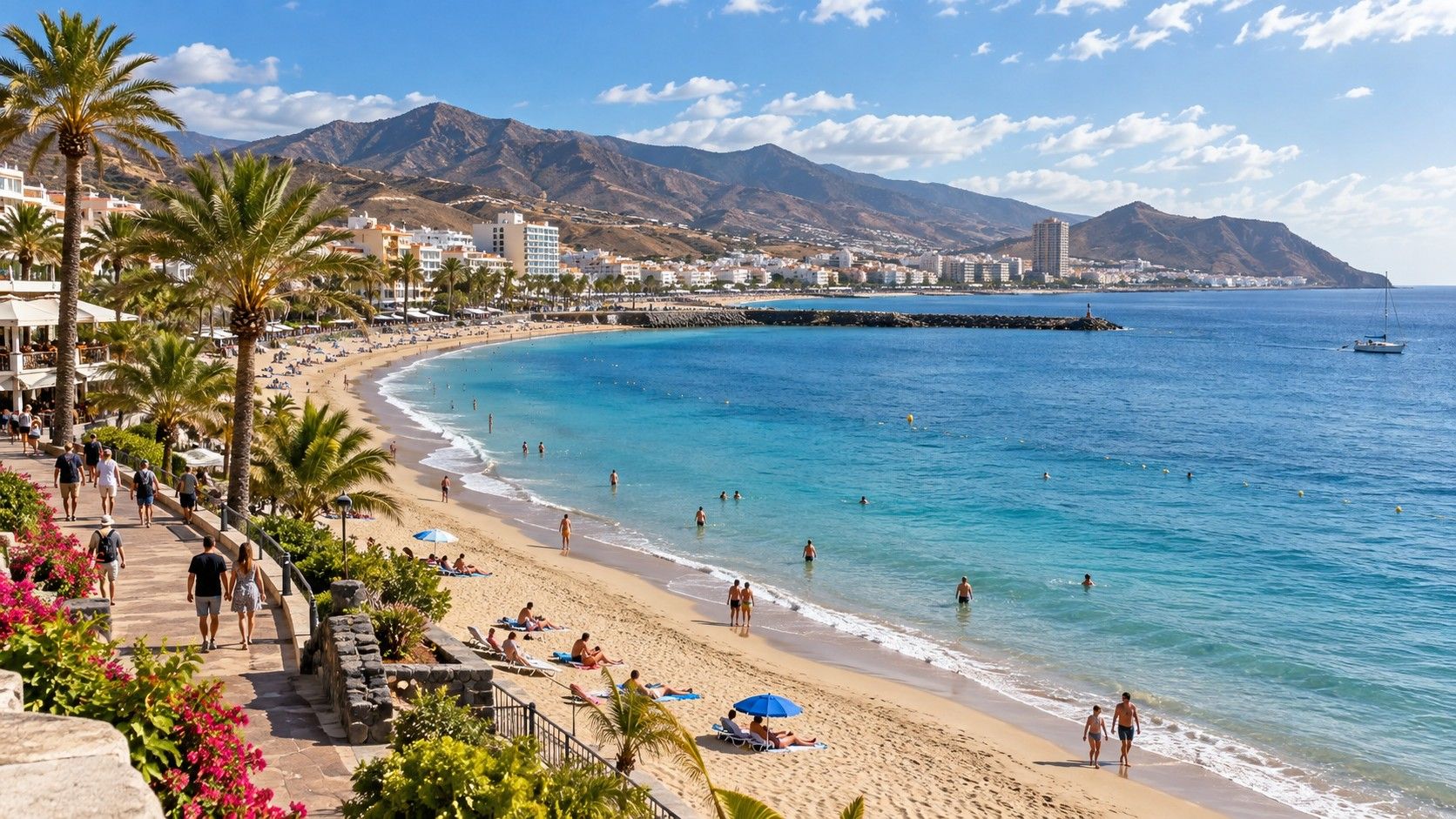
The beaches are the obvious reason to stay here, but I think the promenade is just as important. It gives the day a spine. You can start at one beach, walk to another, pause for coffee, inspect a menu, reject it silently, and keep moving. That sounds ordinary, yet it is exactly what many people want from the south coast: low-friction decisions with the sea always nearby.
Playa del Duque is the beach for a neater, more composed day. Fanabe and Torviscas are more lively and practical, with the kind of resort rhythm where towels, children, sunglasses and lunch all blur together. None of this is secret Tenerife, and that is fine. The beaches are useful because they make rest easy. After a Teide day or a late arrival, useful beats impressive.
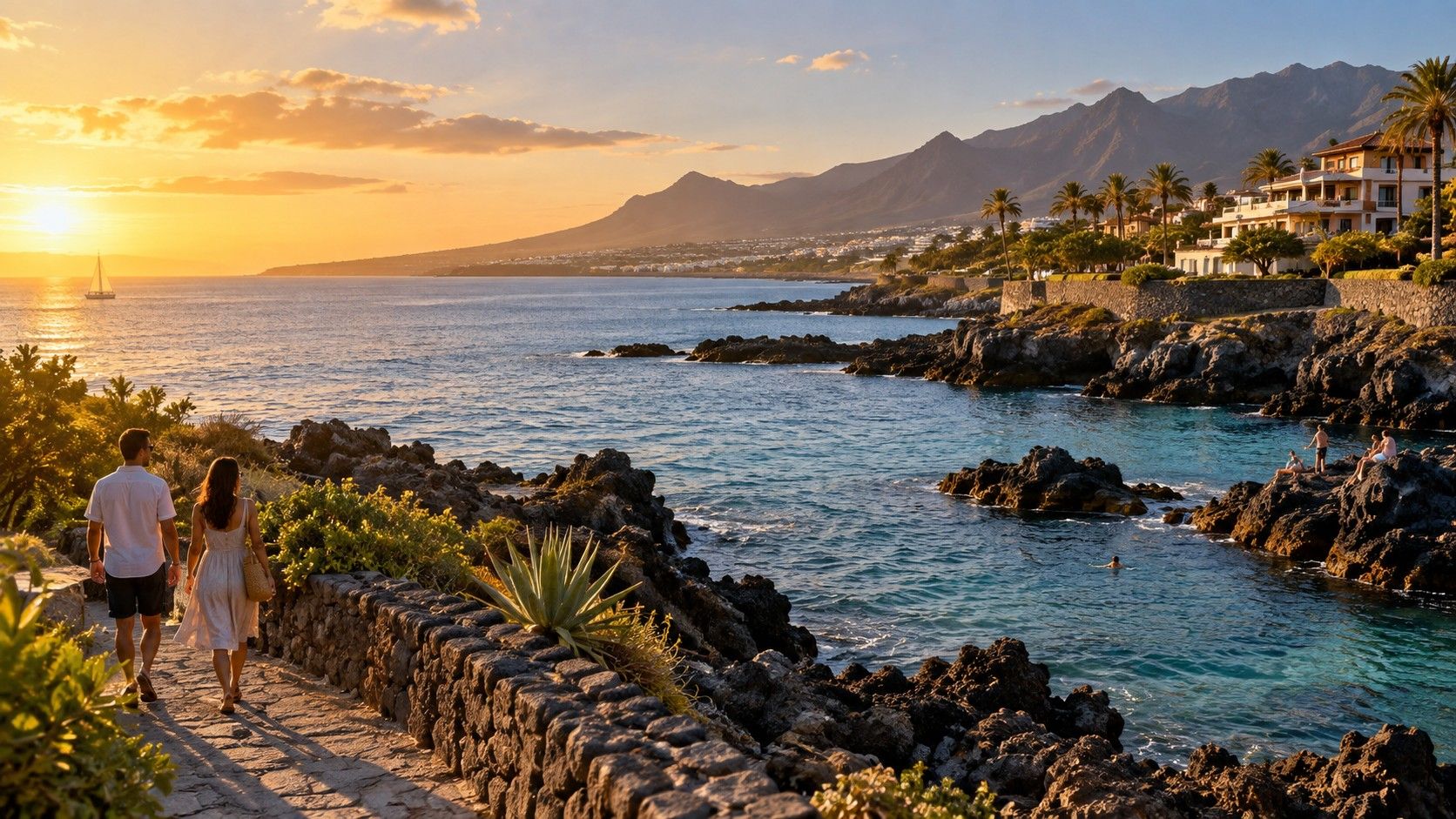
The walk toward La Caleta changes the mood. The coast feels less like a hotel corridor, and the pace drops. I would do it late in the afternoon when the light is softer and the heat has stopped making every decision feel personal. Good footwear helps more than people expect, because resort promenades still involve distance. A casual wander can turn into several kilometres before anyone admits they are hungry.
Eating and evening plans without pretending every meal is a discovery
Costa Adeje is built for visitors, so restaurants are abundant and uneven in the normal resort way. I do not expect every meal here to reveal the island's soul. I expect convenience, a decent table, sea air if possible, and no heroic search when everyone is tired. The best evenings usually come from matching the area to the mood rather than chasing a mythical perfect restaurant.
For a polished dinner, Playa del Duque and the nearby hotel zone make sense. For easier family meals, Fanabe and Torviscas do the job with less ceremony. For a slower evening, La Caleta is the direction I would look first. It has enough of a village edge to feel different from the busier promenade, though it is still firmly on the visitor map.
I would book ahead for any meal that matters, especially for a group or a sunset plan. For ordinary nights, walking and choosing can be part of the evening. The warning sign is the tired group studying menus for too long while hunger turns democratic decision-making into a quiet feud. On those nights, choose the decent nearby option and save your standards for tomorrow.
Day trips from Costa Adeje that make sense
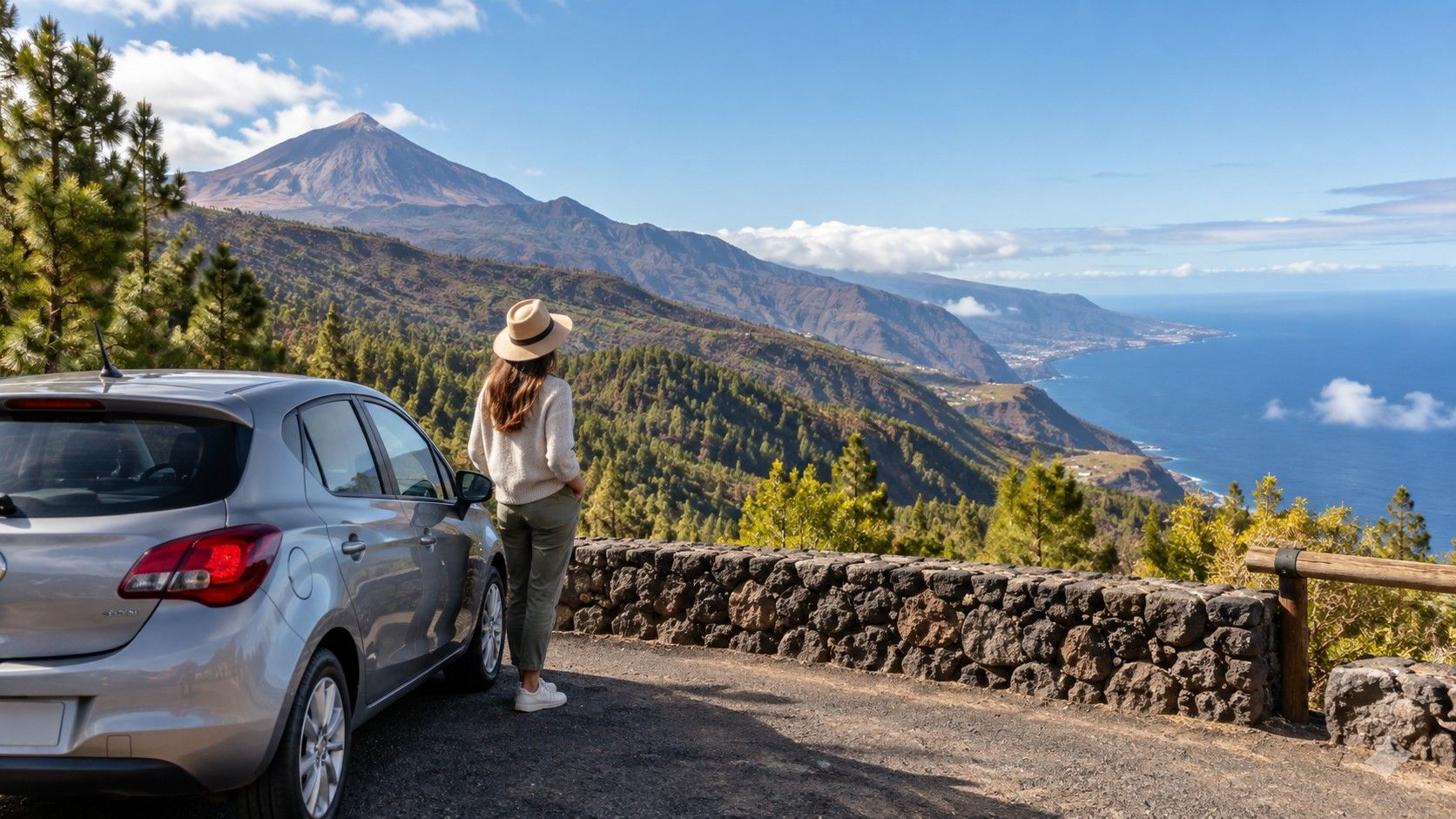
Costa Adeje is a good base for Teide, Los Gigantes, Masca and the south-west coast, provided you respect the roads. Teide deserves an early start and a layer of clothing, even if the resort morning feels warm. Los Gigantes works as a sea-and-cliffs day, especially if you avoid treating every viewpoint as compulsory. Masca is beautiful but bendy, and I would not add it casually to an already full plan.
For a lighter day, use the coast. La Caleta, Playa Paraiso, Alcala and the Los Gigantes area can all give a change of scene without turning the day into a mountain expedition. If you do not have a car, taxis and organised excursions cover many common routes, though independent timing is weaker. This is where Costa Adeje's convenience shows: you can be lazy or ambitious from the same base.
I would leave Anaga, La Laguna and the deeper north for a separate long day or a second base. They are reachable, but the mood is completely different and the drive takes real time. Trying to force the green north into a casual half-day from Costa Adeje usually creates more dashboard time than pleasure. If the north matters to you, give it a proper place in the route.
Who will enjoy Costa Adeje, and who may feel boxed in
Costa Adeje suits travellers who want the south coast made easy: couples who like comfortable hotels, families who need predictable beaches, first-timers who want a soft landing, and anyone who plans to mix rest days with a few day trips. It is also good for late arrivals because the transfer from Tenerife South Airport is straightforward compared with crossing the island at night.
It may frustrate travellers who want rougher edges, cheaper town life or a strong sense of local routine outside tourism. You can find quieter corners and better meals, but Costa Adeje remains a resort area with resort logic. That is not a criticism; it is the truth of the place. I would rather say it plainly than dress it up as hidden authenticity.
The best version of a Costa Adeje stay is honest about why you chose it. Use the beaches, walk the coast, make dinners easy, and rent a car only for the days that deserve one. Then leave the resort when you want Teide, cliffs or the greener north. Costa Adeje works well when it is treated as a comfortable base, not as a complete summary of Tenerife.