The honest answer to “do I need a car in Tenerife” is irritatingly conditional, which is usually how useful travel answers start. A car can make the island feel wide open: Teide before the coaches arrive, Anaga without watching the bus timetable, small north-coast towns without turning the day into logistics. It can also sit in a hotel car park while you pay for something you use twice, worry about scratches and discover that mountain bends are less charming from the driver’s seat.
The trips that genuinely need a car
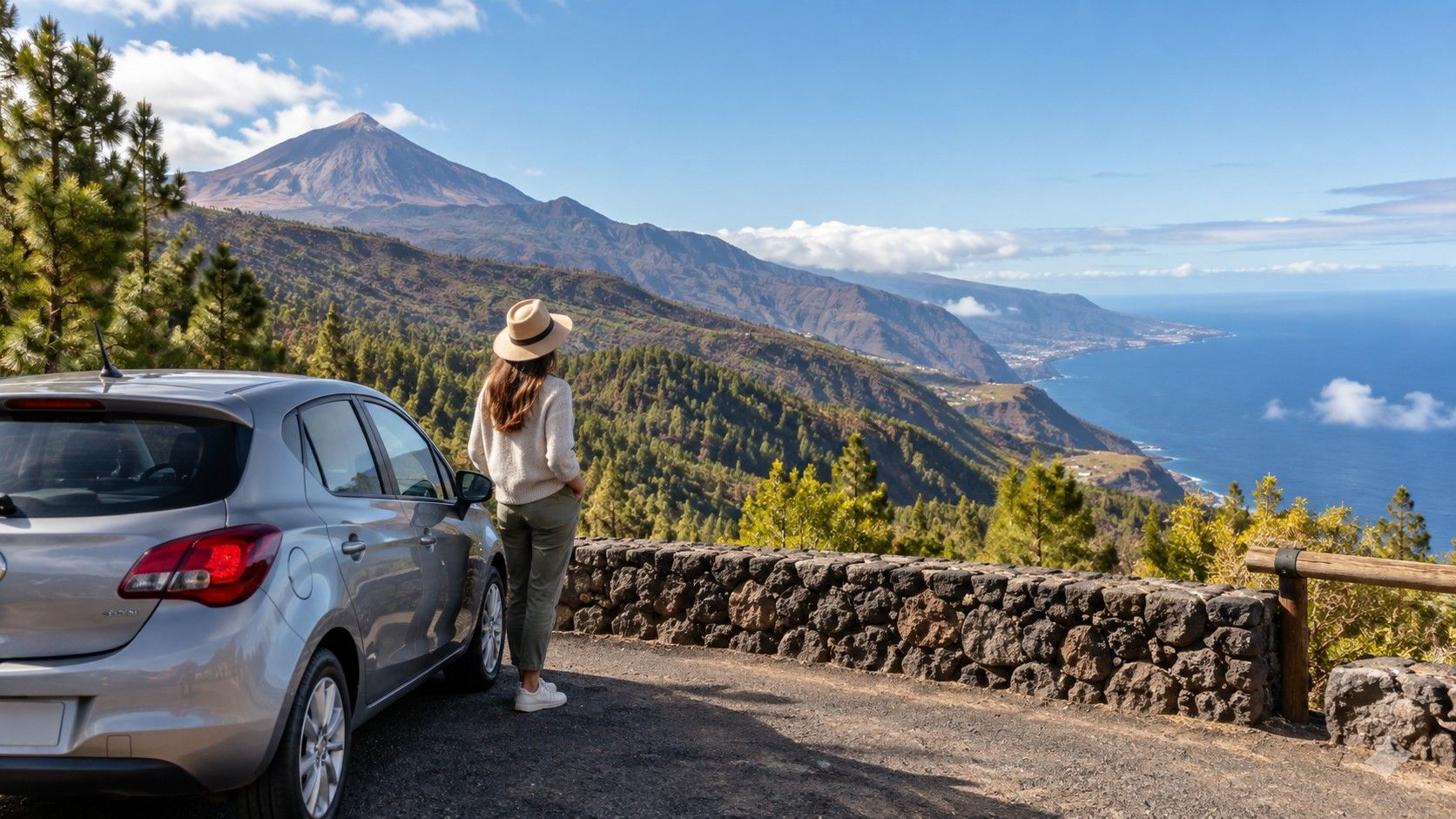
You need a car in Tenerife when the trip is built around scattered places rather than one resort area. Teide National Park is the first obvious case. You can visit without driving, but a car gives you control over the hour, the route and the small stops that make the high roads worthwhile. The same applies to the road between Vilaflor and the volcanic viewpoints, or a north-side route through La Orotava before climbing toward the park.
Anaga is another place where a car changes the day, though it also tests the driver. The ridges, laurel forest, Taganana road and viewpoints do not line up neatly with a lazy beach schedule. Public transport can work for specific routes, but it asks you to build the day around departures. With a car, you can stop when cloud lifts, turn back when the weather closes in, and avoid pretending that every viewpoint must be visited because the bus made it hard to get there.
The west and north-west are similar. Los Gigantes, Masca, Garachico and Icod de los Vinos look close enough on a map to tempt bad planning. On the ground, the roads are slower and more tiring than the distances suggest. If these places are central to your trip, car hire Tenerife planning starts to make sense. If you only want one big excursion, a booked tour or transfer can be calmer.
| Plan | Car useful? | Reason |
|---|---|---|
| Teide plus viewpoints | Usually yes | Flexible timing and easier stops |
| Beach week in Costa Adeje | Often no | Walking, taxis and short transfers can cover most days |
| Anaga and north coast | Yes if confident | Roads are scenic, slow and scattered |
| Airport to resort only | No | Taxis or transfers are simpler |
| Mixed resort and two driving days | Maybe | Short rental may beat a full-week booking |
When buses and taxis are enough
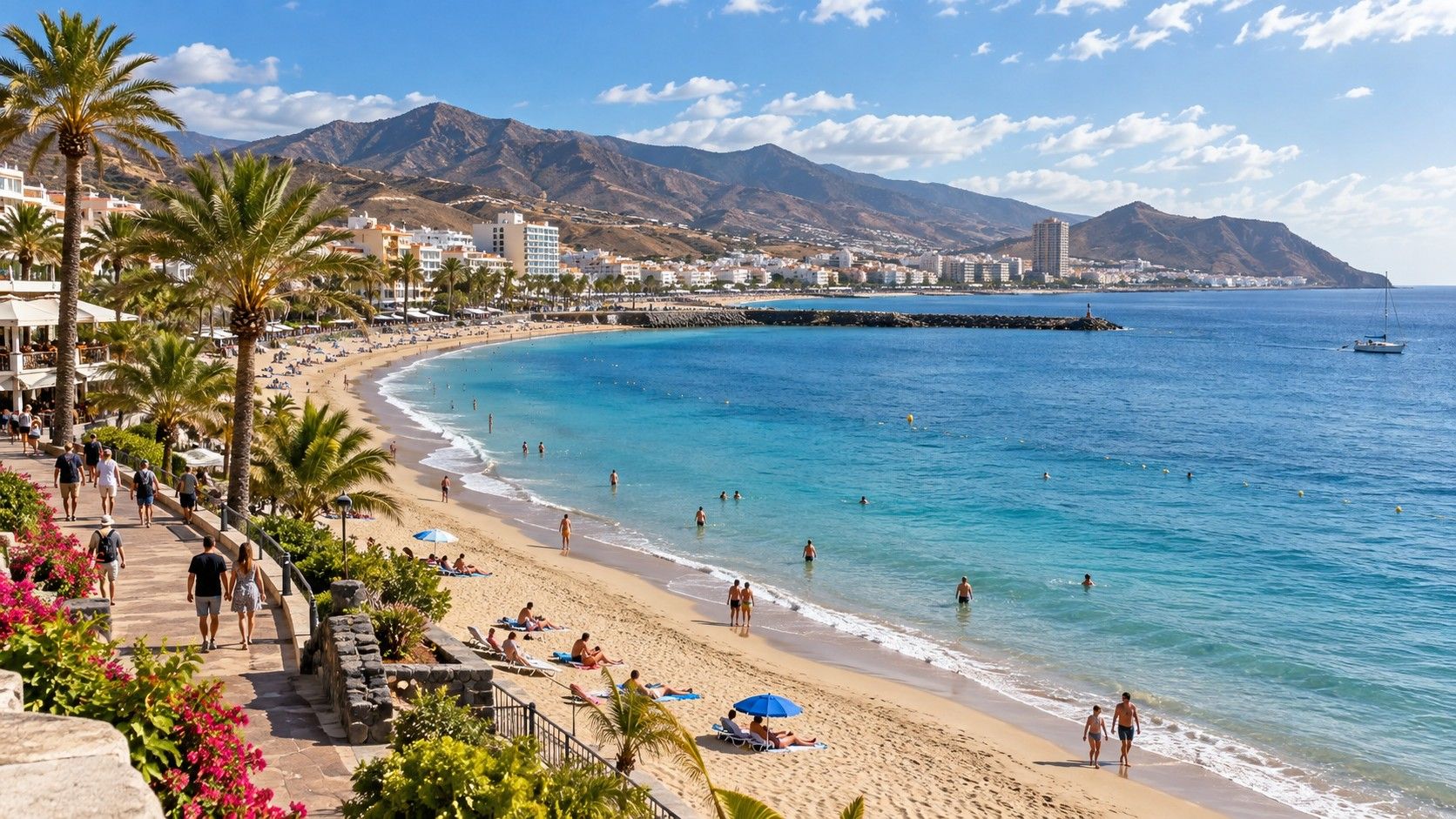
If your base is Costa Adeje, Playa de las Americas or Los Cristianos and your plans are beach, promenade, dinners and one or two organised trips, you may not need a car at all. This is not a moral failing. A resort holiday can be better without a set of keys. You avoid parking, deposits, fuel choices and the small unease of returning a car while trying to remember whether that mark was already on the bumper.
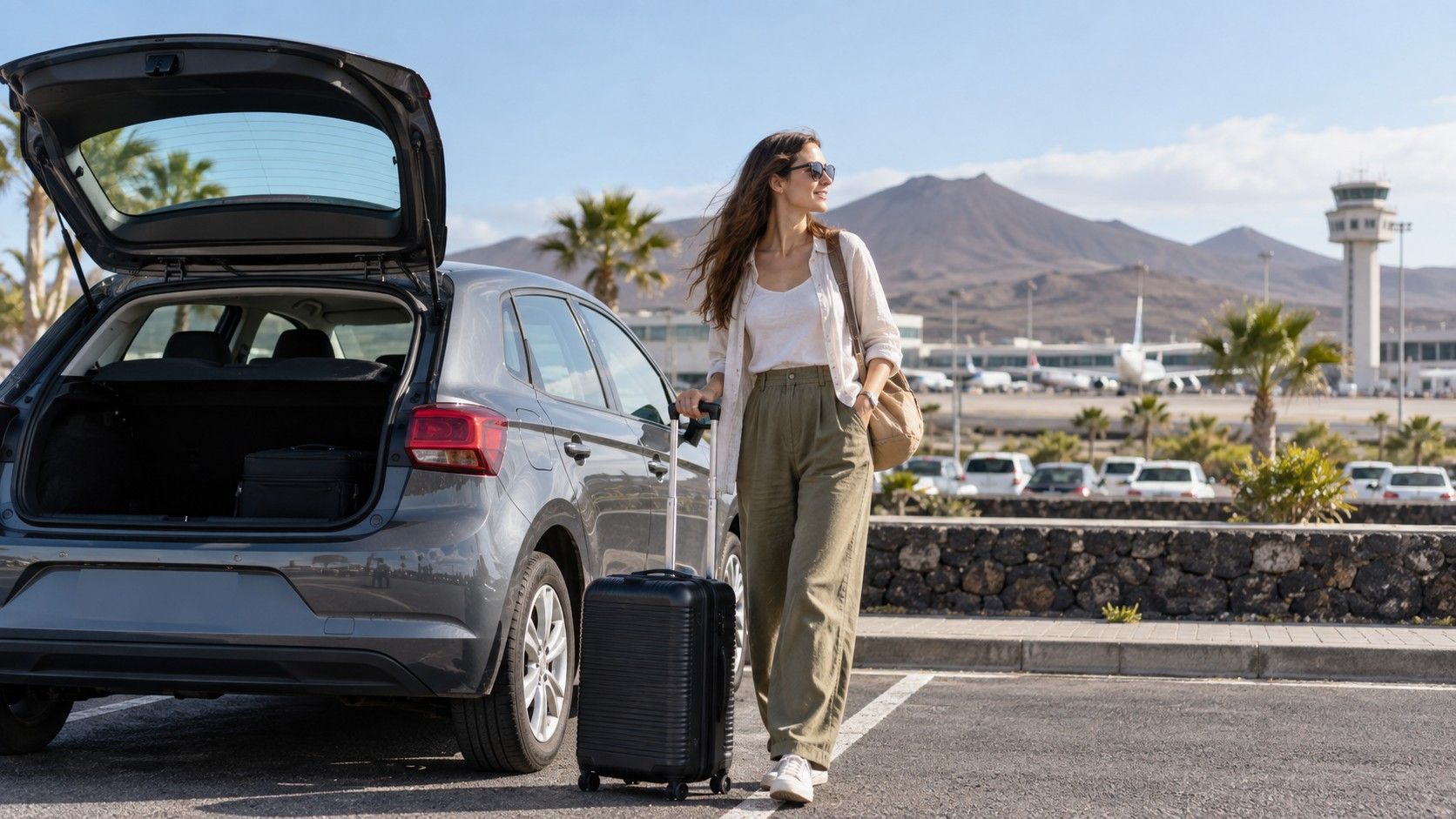
Tenerife airport taxis and private transfers handle the simplest job well: getting from airport to accommodation with bags, tired people and no appetite for a new road system. For evenings, taxis can be easier than searching for parking near busy restaurant areas. Buses are useful on some corridors, especially between bigger towns and resorts, but they suit travellers who can tolerate waiting and a bit of route checking.
The weak point of buses is the scenic day with several small stops. A bus can get you to a town; it is less good at giving you twenty minutes at a viewpoint, a detour for lunch and an early retreat if the weather turns awkward. If your itinerary is mostly resort-based with one famous sight, skip the car and pay for the specific movement you need. If your itinerary is a chain of places with names like mirador, valle, barranco and parque rural, the car starts earning its keep.
Staying in the southern resorts changes the calculation
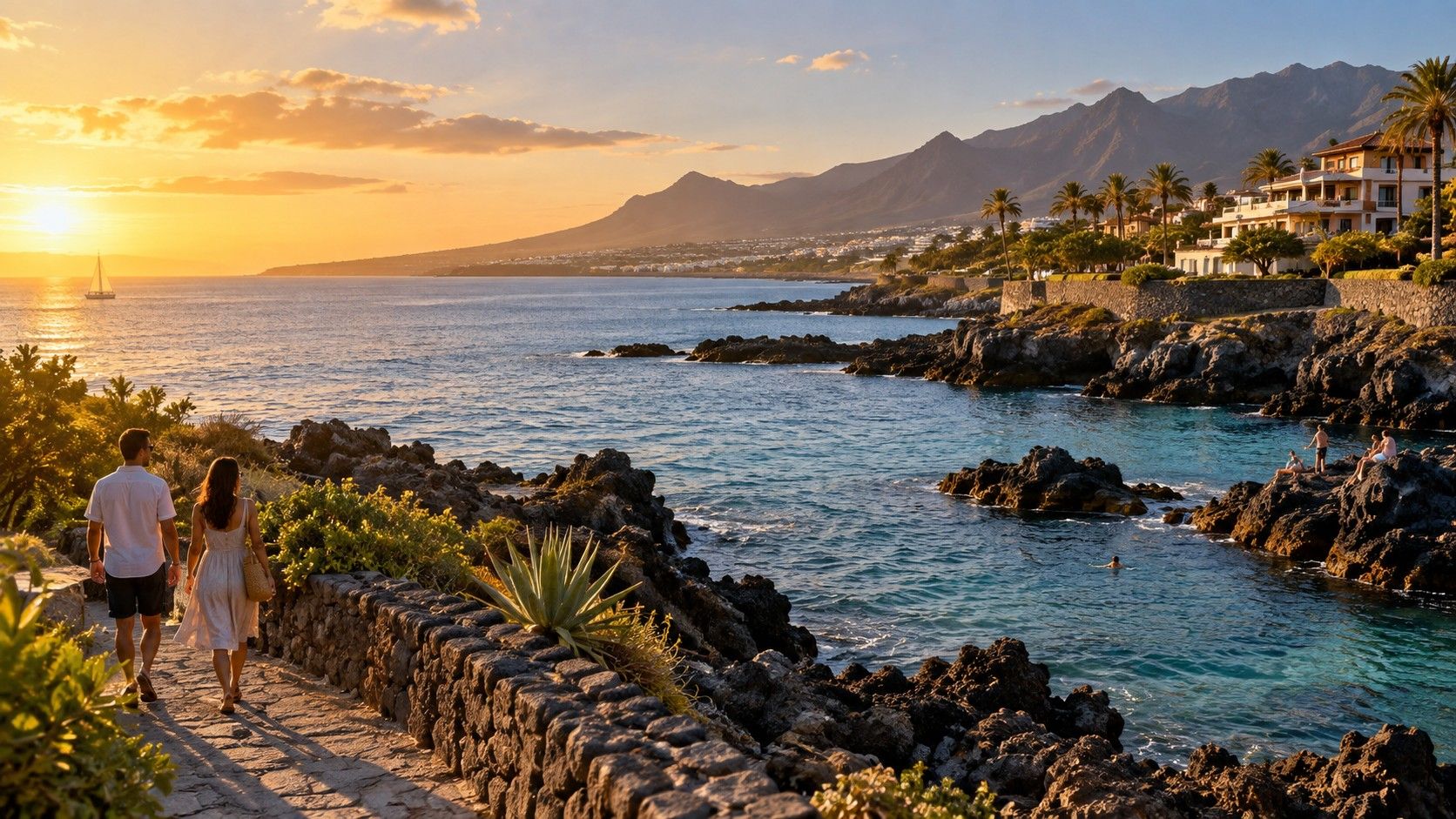
In the south, especially around Costa Adeje, Playa de las Americas and Los Cristianos, the car question is often about convenience rather than access. You can have a perfectly good holiday without driving. Beaches, coastal walks, restaurants, shops and boat departures are concentrated enough that a car can become a slightly expensive object you keep feeding with parking decisions.
The south does make day trips easier, though. Teide is a sensible drive from this side if you start with some discipline. Los Gigantes is reachable without turning the day into a cross-island expedition. El Medano can work as a windier, more open change of scene. The catch is that resort traffic and parking around accommodation can be less relaxing than the open road. Some hotels make parking simple; others leave you circling side streets at the exact hour everyone else has returned from the beach.
For a southern base, I like the short-rental approach: use taxis or transfers for arrival and resort days, then hire a car for two or three focused days if your plans justify it. That keeps the car attached to actual routes, not vague good intentions. It also reduces the chance that you pay for a full week and then decide the pool, the sea and a long lunch are a better use of your time.
Staying in the north makes a car more tempting
Puerto de la Cruz and the wider north have a different rhythm. They are better for travellers who want towns, greenery, cooler air and easier access to La Orotava, Icod, Garachico and some Teide routes. A car here can feel less like an accessory and more like the thing that lets the trip breathe. The north rewards small detours: a viewpoint above the Orotava Valley, a stop for coffee in a town that was not on the original plan, a coast road pause when the Atlantic looks too rough for swimming but good for staring at.
The trade-off is weather and roads. North-side cloud can make plans feel provisional, and the driving can be more varied than a simple resort shuttle. Puerto de la Cruz itself is walkable in parts but not always effortless with luggage, hills or parking expectations. If you are staying in the north and want to visit the south beaches several times, a car helps, though it also means committing to longer drives than some people imagine when they book.
I would be more inclined to rent a car from a northern base if the trip includes Teide, Garachico, Anaga or several village stops. I would be less inclined if the plan is mainly to sit in Puerto de la Cruz, take a couple of guided day trips and avoid driving on holiday because you already drive enough at home.
Mountain driving is the real confidence test
The question “do you need a car in Tenerife” should include a quieter question: will you enjoy driving it? The island has motorways and simple resort roads, but many of the interesting places involve climbs, bends and sections where the passenger gets more of the view than the driver. Teide roads are generally manageable, yet altitude, sun glare, cyclists, coaches and sudden weather changes can make the day more demanding.
Anaga and Masca ask for even more patience. These roads are part of the appeal, but they are not ideal for nervous drivers, tired parents or anyone who hates meeting buses on narrow bends. There is no shame in choosing a guided trip for one awkward route and saving the rental car for easier days. Travel advice often pretends freedom is always the highest value. Sometimes the better value is arriving without a clenched jaw.
If you do rent, keep the first driving day modest. Do not make your first hour behind the wheel a tight mountain road after a late flight. Learn the car, mirrors and local rhythm on simpler roads before adding altitude. That single decision can make the difference between a car feeling useful and a car becoming the stressful centre of the holiday.
Questions to ask before booking
Before you reserve, write down the places that truly require independent movement. Teide, Anaga, Masca, Garachico and scattered viewpoints count. A beach five minutes from the hotel does not. Then check your base: a southern resort, a northern town and a rural apartment create very different needs. Finally, be honest about the group. One confident driver and two flexible adults is not the same as a family with small children, late arrivals and a low tolerance for searching car parks.
Also think about timing. A full-week rental may be tidy on paper, but a shorter booking can match the real shape of the trip. Arrival and departure days are often poor driving days if flights are awkward. Resort days do not need a car. Two strong road days in the middle of the holiday may be enough.
My practical answer is this: you do not need a car in Tenerife for a resort-led holiday, simple transfers and organised excursions. You probably do need one, or at least will appreciate one, if the trip is about Teide, Anaga, north-coast towns and choosing your own pace. The car is not the holiday. It is a tool. Rent it when the tool solves a real problem, and leave it alone when it only adds another thing to manage.