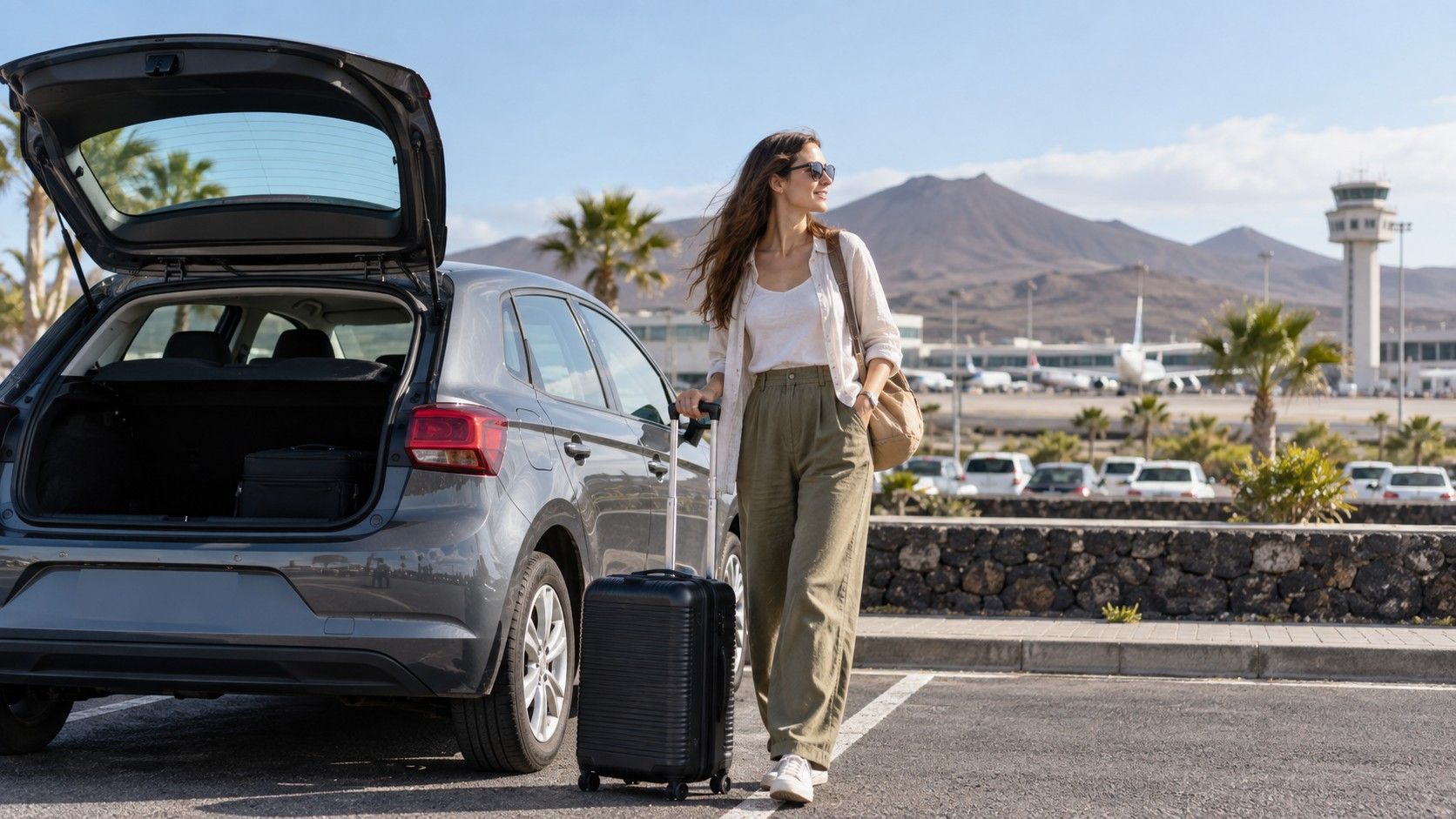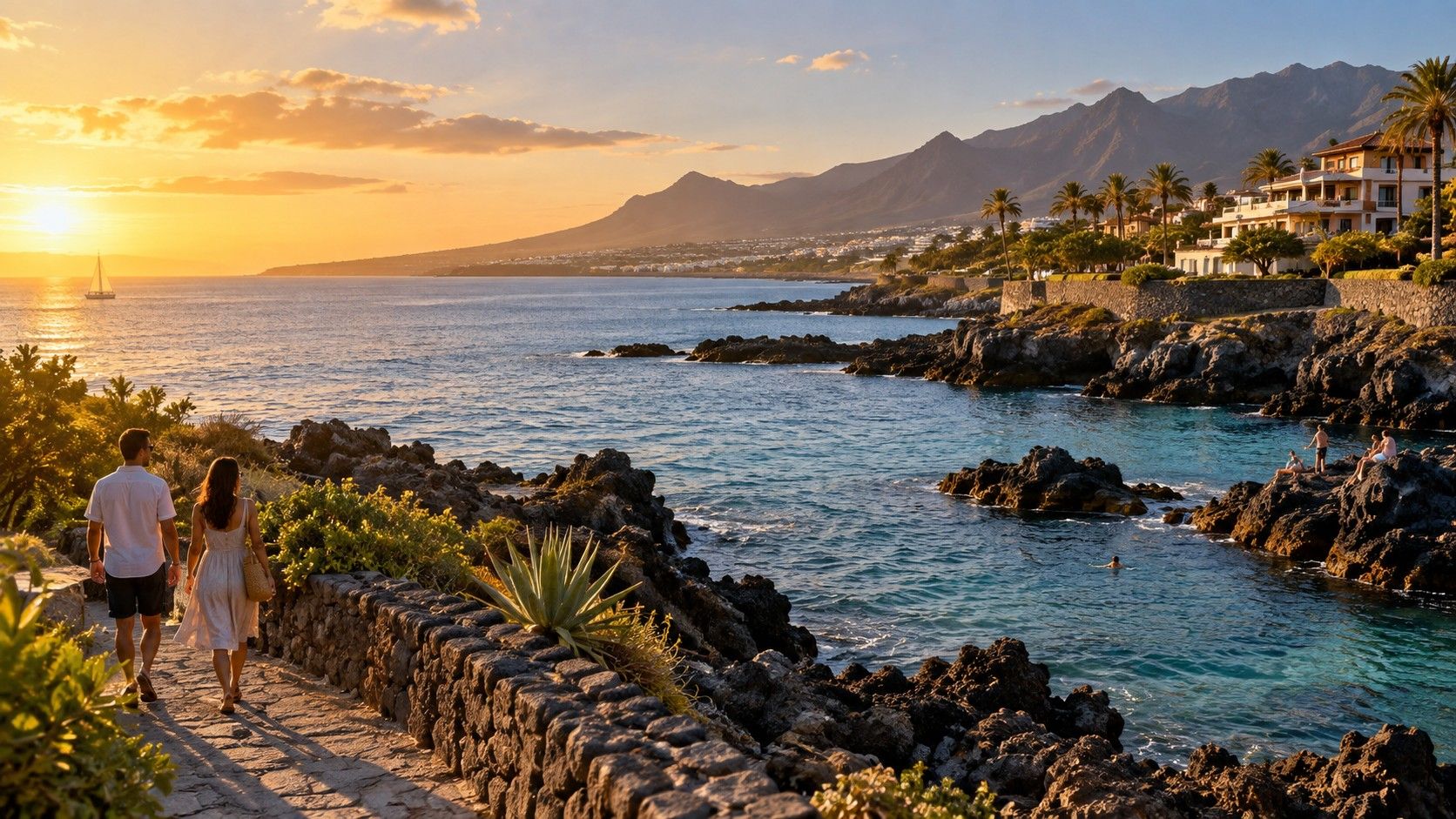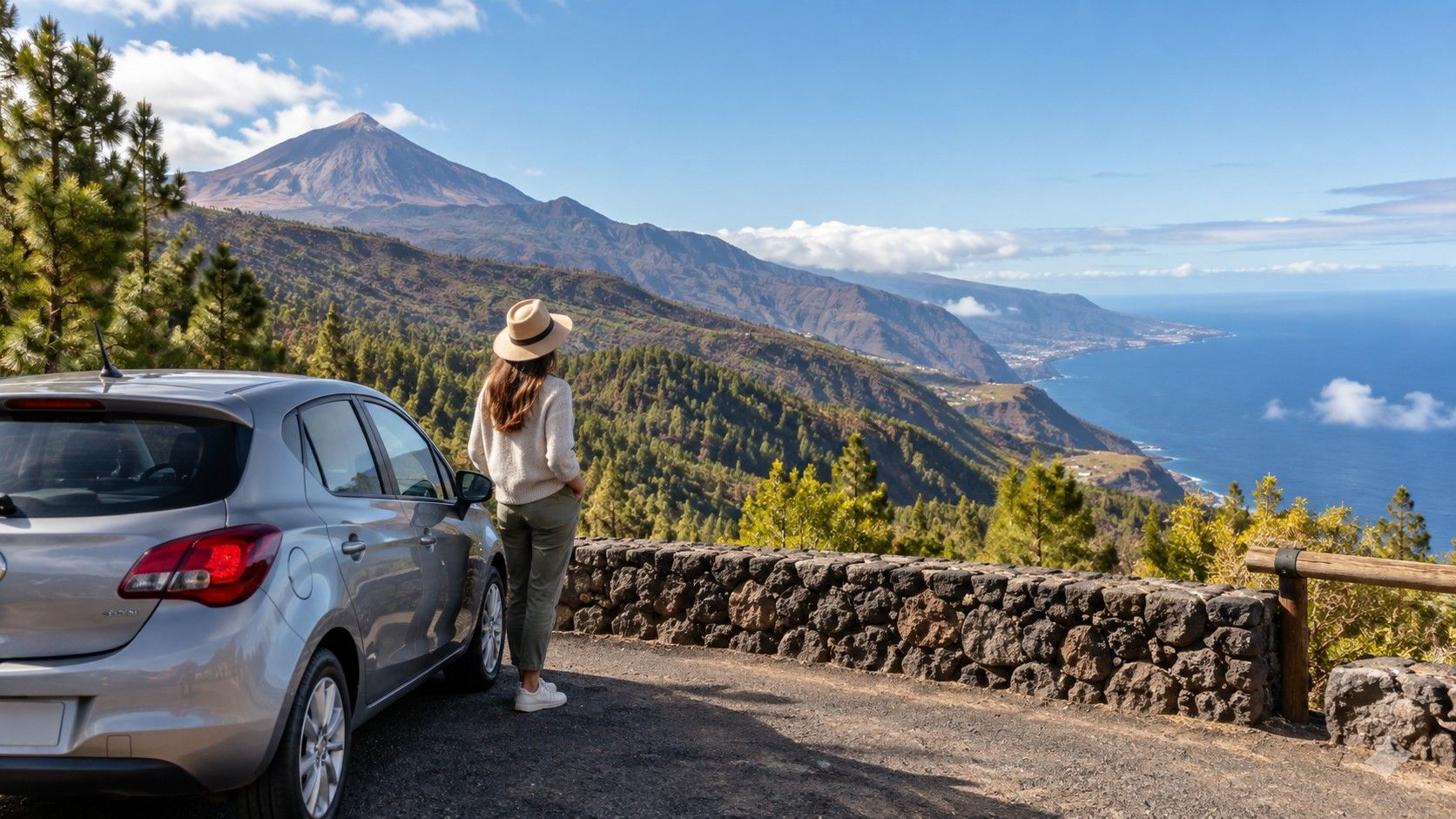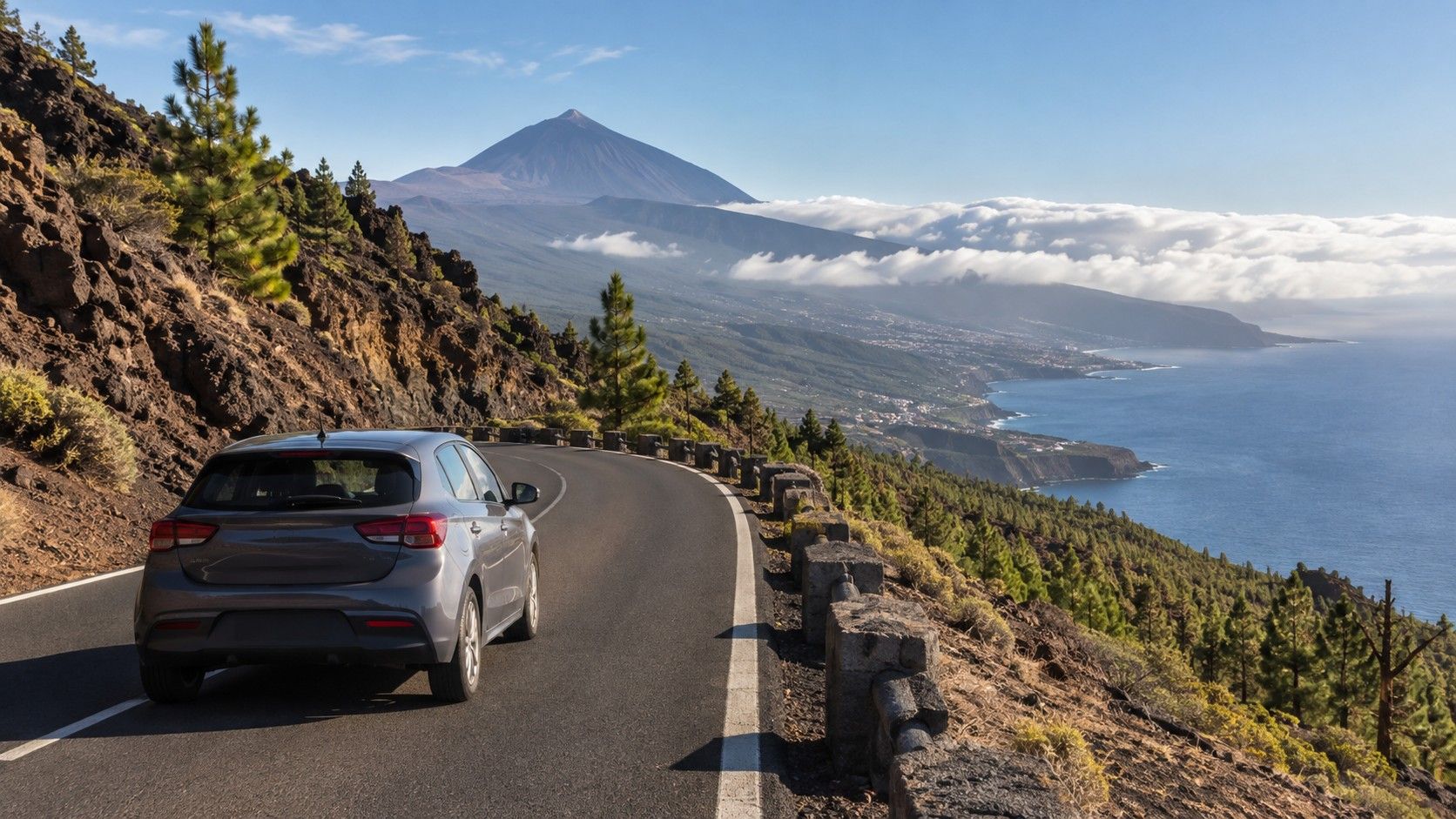
A car changes Tenerife, but it does not magically make every place easy. It opens Teide, Anaga, Garachico, hidden viewpoints and small northern towns, while also handing you steep streets, tight parking and roads where the passenger may become very quiet. I would plan driving days by mood and road type, not by stuffing a map with pins.
When a car actually improves the trip
The best places to visit in Tenerife by car are usually the ones where buses exist but patience thins out: Teide National Park, the Anaga mountains, the north-west coast, scattered viewpoints and villages that sit just awkwardly enough away from resort routines. A car lets you leave early, stop when the light is good, and abandon a place that feels too crowded without waiting for the next timetable.
It is less useful inside the big southern resort strip. If you are staying in Costa Adeje, Los Cristianos or Playa de las Americas and your plan is beach, dinner, beach, dinner, the car can become a paid ornament. Parking near popular fronts is rarely the romantic part of the holiday. I prefer renting for the core exploring days, then returning it if the final stretch is mostly walking and swimming.
The island also asks you to be honest about the driver. Mountain roads are normal here, not extreme, but they are still mountain roads: bends, buses, cyclists, sudden viewpoints, impatient locals and visitors braking at every cliff. If the driver hates that rhythm, choose fewer routes and make them cleaner. A pleasant three-stop day beats an impressive route nobody wants to repeat.
Teide and Vilaflor: the big volcanic drive
Teide National Park is the obvious first driving day because the road gives a full cross-section of Tenerife. From the south, the climb through Vilaflor moves from dry coastal edges into pine forest, then into open volcanic country where the scale changes abruptly. I like this route because it gives the day a clear story without needing many side quests.
Start early, especially if you are staying near the coast. Heat, traffic and parking all feel less irritating before the day has fully woken up. Roques de Garcia is the natural anchor stop: easy to understand, close to the road, and dramatic enough that you do not need to pretend every viewpoint is equally important. If you have a cable car booking, let that booking control the day. If you do not, the park still works as a road trip with short walks and careful stops.
The practical check is weather. It can be sunny at altitude while cloud sits lower down, or the high road can feel windier and colder than the beach suggested. Bring a layer, water and the willingness to turn a grand circuit into a simpler out-and-back. Teide is the day I would least want to combine with a late heavy dinner plan, because the altitude, sun and concentration on the road can make everyone flatter than expected by evening.
| Driving day | Best mood | Main caution |
|---|---|---|
| Teide via Vilaflor | Volcanic scenery and big viewpoints | Altitude weather and limited shade |
| North-west coast | Old towns, coast and slower stops | Parking in compact centres |
| Anaga | Green ridges, forest and remote roads | Cloud, bends and longer return times |
| South-west cliffs | Los Gigantes, sea views and sunset | Busy harbour parking |
| Short local loop | Easy beaches or viewpoints near base | Not every day needs the car |
The north-west coast works best as a slow chain
Garachico, Icod de los Vinos and the coast around them make a good driving day when you want Tenerife to feel older and less resort-shaped. Garachico is the place I would give the most time. The streets are compact, the sea edge is dramatic, and the town rewards sitting down instead of marching through. Parking can be awkward at busy times, so I would arrive early or accept a short walk from the edge rather than circling the centre in a bad mood.
Icod de los Vinos is often treated as a quick stop, and that is probably fair for many travellers. The famous dragon tree area draws people in, but the more useful part of the stop is a pause between drives: coffee, a short wander, a look back toward Teide if the sky allows it. Do not overload this day with every northern name you have seen online. The roads between places take attention, and the small towns lose their charm if you arrive already late for the next one.
If you are coming from the south, this north-west loop can become long. That does not make it wrong, but it changes the energy. I would avoid pairing it with Anaga on the same day. They sit on the same island, yet they belong to different driving moods. The north-west is stone streets, sea pools, banana terraces and old coastal edges. Anaga is mist, forest and narrow roads. Mixing them usually creates a route that looks clever in the hotel room and feels greedy on the tarmac.
Anaga is for patient drivers, not pin collectors
Anaga is one of the clearest reasons to have a car in Tenerife, and also one of the easiest areas to misuse. The roads are slower than the distance suggests, visibility can change quickly, and the best part of the day may be a short stop on a ridge rather than the famous beach at the end of the line. I would start from La Laguna if possible, because it puts you close to the mountains before the day gets busy.
Cruz del Carmen is a useful first anchor. From there, decide how much road you actually want. A shorter Anaga day might include forest, a viewpoint and lunch back toward La Laguna or the coast. A fuller day might continue toward Taganana and Benijo, but that deserves an early start and a driver who is still cheerful after an hour of bends. The beach names are tempting; the return road is the part people forget when they build the plan.
Cloud is not automatically a failure in Anaga. Sometimes it makes the forest feel deeper and the roads quieter. The problem is visibility at viewpoints and wet road confidence. If the weather closes in, I would shorten the loop rather than forcing the farthest stop. There is no prize for completing a route that nobody enjoyed. A good Anaga day leaves you with a specific memory of green ridges and damp air, not just relief at finding a parking space.
Los Gigantes and the south-west are easy to underestimate
The south-west coast can look too obvious because many visitors stay nearby, but Los Gigantes is still worth a driving day if you treat it gently. The cliffs are best appreciated from near sea level, where their size becomes physical rather than postcard-like. The town is tight, and parking near the harbour can be irritating, so an early arrival helps more than an elaborate plan.
I would pair Los Gigantes with Playa de la Arena, Alcala or a slow coastal meal rather than trying to bolt it onto Masca, Teide and a sunset viewpoint. Masca is possible from this side, but it changes the day completely. The road is beautiful and narrow, with enough bends to expose any weak optimism in the car. If you choose Masca, give it the respect of being the main event, not a detour between beach stops.
This is also a useful area for travellers who are unsure about mountain driving. You can taste some steeper roads without committing to the full Anaga experience. If the drive feels comfortable, expand the route. If it feels tense, stay coastal and keep the holiday intact. Tenerife is full of places where restraint looks boring on paper and feels wise in the moment.
Driving habits that save the day from becoming a chore
The most useful habit is leaving earlier than seems necessary. Early starts reduce heat, traffic and parking stress, especially for Teide, Anaga and compact northern towns. I am not naturally heroic in the morning, but Tenerife keeps proving that a calm first hour is worth more than a dramatic sunset plan attached to a tired driver.
Second, separate road types. Do not schedule Teide, Masca and Anaga as if they are ordinary scenic stops on a flat island. Each has bends, altitude or slow sections that cost attention. Build days with one demanding road section and several easier rewards: a town, a beach, a viewpoint close to parking, a meal that does not require another climb. The route should have a rhythm, not just ambition.
Third, keep parking expectations plain. In older towns, aim for edge parking and walk in. In resort areas, check whether your accommodation has a real space or only a hopeful sentence in the listing. At viewpoints, never stop where you block the road for a photograph. It sounds obvious until you see a rental car half-abandoned on a bend while someone negotiates with a phone camera.
The car is at its best when it gives you freedom to simplify. Skip a crowded viewpoint, stay longer in Garachico, turn back from Anaga cloud, or make a Teide day shorter because the beach suddenly sounds better. That flexibility is the real value. The best Tenerife road trip is not the one with the most pins; it is the one where the driving still feels part of the holiday when you hand the keys back.