A Tenerife must-do list is useful only after you decide what kind of trip you are actually taking. A family staying in Costa Adeje, a couple with a hire car, and a walker hoping for Anaga paths can all visit the same island and need different priorities. I would start with energy, base and weather, then choose the must do Tenerife experiences that fit those limits without making every morning feel like a departure gate.
Start with the holiday you want, not the longest list
The island tempts people into collecting experiences: volcano, old town, boat trip, black sand, village lunch, sunrise, forest walk, another beach because someone said it was essential. The problem is not the quality of the places. The problem is that Tenerife has vertical distance. A short line on a map can mean bends, cloud, parking and a passenger who has stopped enjoying the scenic road twenty minutes ago.
I split the choices into three moods. There is the volcanic inland day, built around Teide and the high roads. There is the green and older Tenerife, where La Laguna and Anaga slow the pace. Then there is the Atlantic coast: swimming, cliffs, small harbours and days where the plan can bend around wind or waves. If your trip covers one strong version of each mood, you have probably done the island more honestly than someone who has ticked eight sights and remembers mostly the car.
| Trip style | Must-do focus | What to avoid |
|---|---|---|
| Short resort break | One Teide day, one coast day | Cross-island drives on consecutive days |
| Road trip | Teide, Anaga, north coast, west cliffs | Late starts for mountain routes |
| Beach-first holiday | Flexible beaches and one inland contrast | Booking every day before checking weather |
| Walking trip | Anaga, Teide edges, short local paths | Assuming all trails feel similar |
Give Teide a proper day and a weather backup
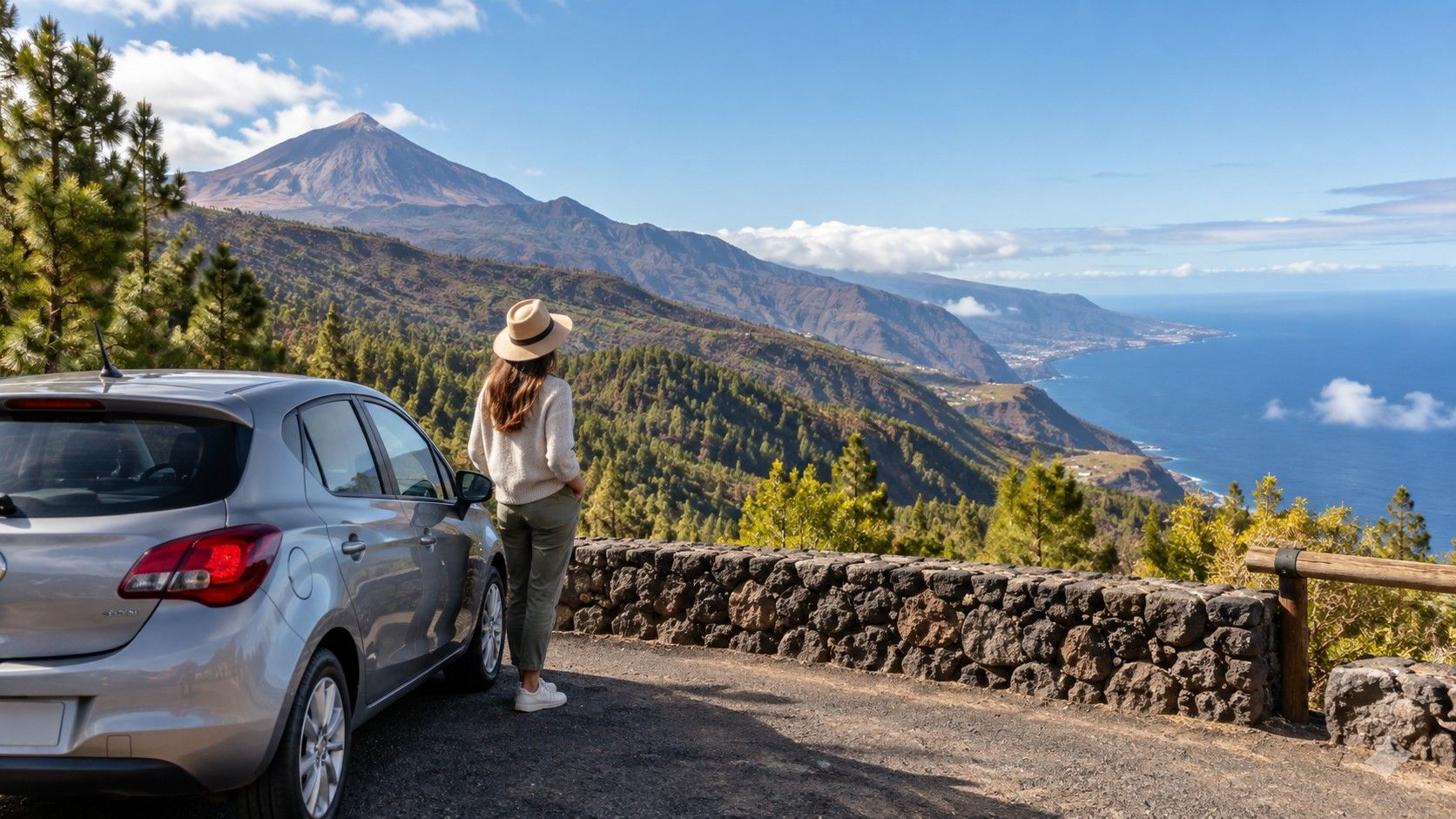
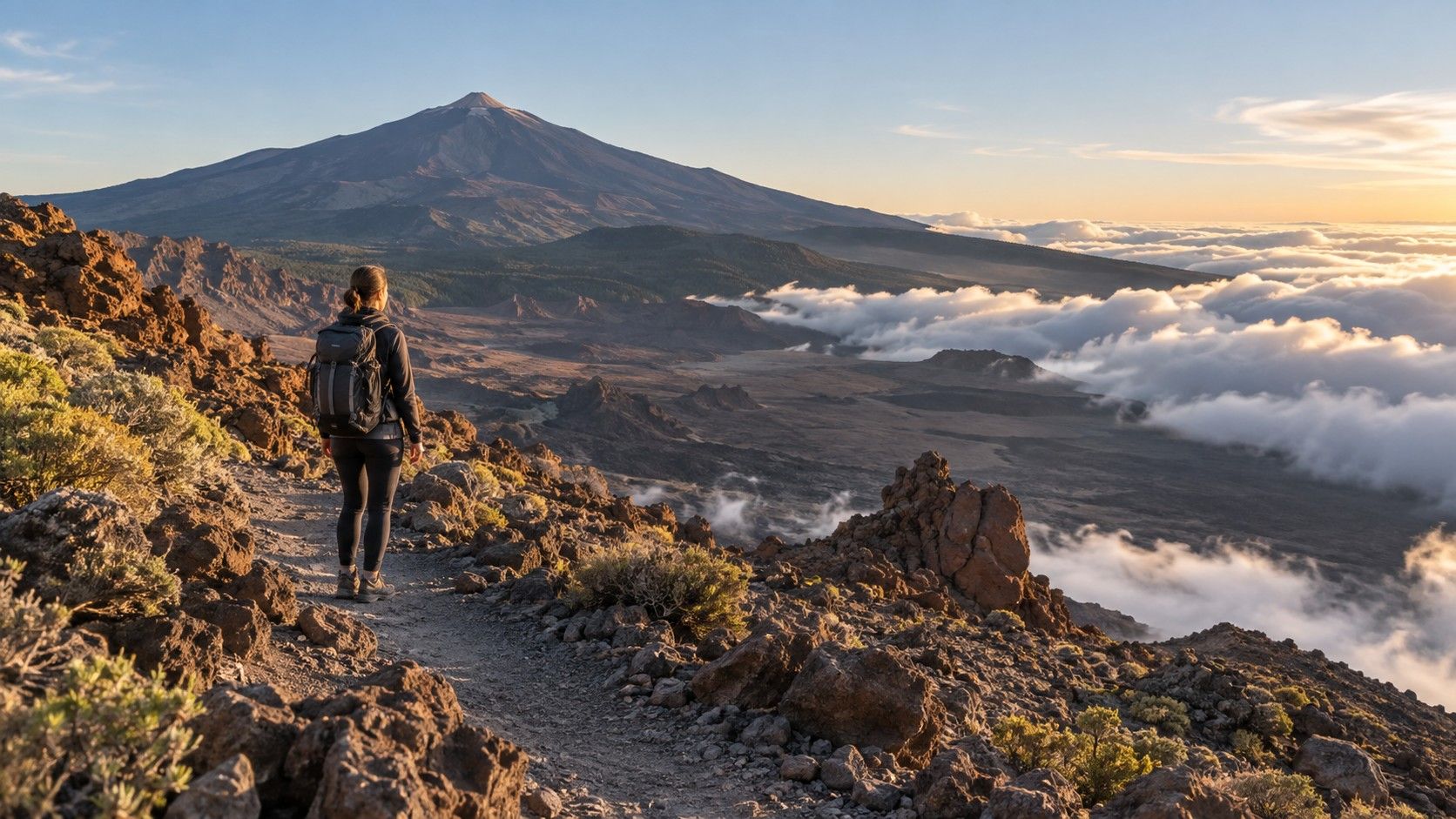
Teide is the obvious Tenerife must do, and for once the obvious answer is correct. The national park changes the island. You leave the hotel strip, climb through dry slopes and pine forest, and arrive in a high volcanic landscape where the air, light and temperature all feel different. Even people who claim not to care about geology tend to go quiet there for a while, which is usually a better sign than excited commentary.
The practical detail is timing. An early start gives you calmer roads, easier parking at popular viewpoints and more room to adjust if cloud sits in the wrong place. A sunrise plan sounds romantic, but it is not automatically the best choice for every traveller; it can mean cold air, dark roads and a very early alarm. A mid-morning Teide route can be excellent if you accept that you will stop less and choose two or three viewpoints rather than treating every pull-off as mandatory.
If you hire a car, check the route before you leave the coast, keep water in the car and carry a layer even when the resort feels hot. If you do not want to drive mountain roads, a guided transfer or coach-style excursion may be less flexible but far calmer. The worst version is the improvised late start where everyone is hungry, the sun is sharp and the driver is trying to enjoy the view while negotiating bends.
Use Anaga for a quieter kind of drama
Anaga gives Tenerife a completely different texture. It is green, folded, damp in places and slower than people expect. The road through the ridges can move from clear views to mist in a few minutes, and that uncertainty is part of the appeal if you have left enough time. I like Anaga because it resists the resort habit of easy consumption. You cannot properly understand it from one viewpoint and a rushed selfie.
A short hike or even a careful roadside stop can be enough. The laurel forest has a closed-in feeling that contrasts sharply with the open volcanic ground around Teide. Villages such as Taganana make more sense when treated as part of a slow route, not as a lunch target to be reached at any cost. If the weather turns, La Laguna is a sensible companion stop: old streets, cafes, cooler air and a chance to keep the day worthwhile without forcing a wet walk.
Anaga is also where I would be honest about driving confidence. Narrow roads and cloud are manageable for many drivers, but not enjoyable for all. If someone in the car hates edges or bends, choose a shorter route and leave the far corners for another trip. A must-do experience should feel demanding in a good way, not like a group exercise in pretending to be relaxed.
Choose one Atlantic day instead of chasing every beach
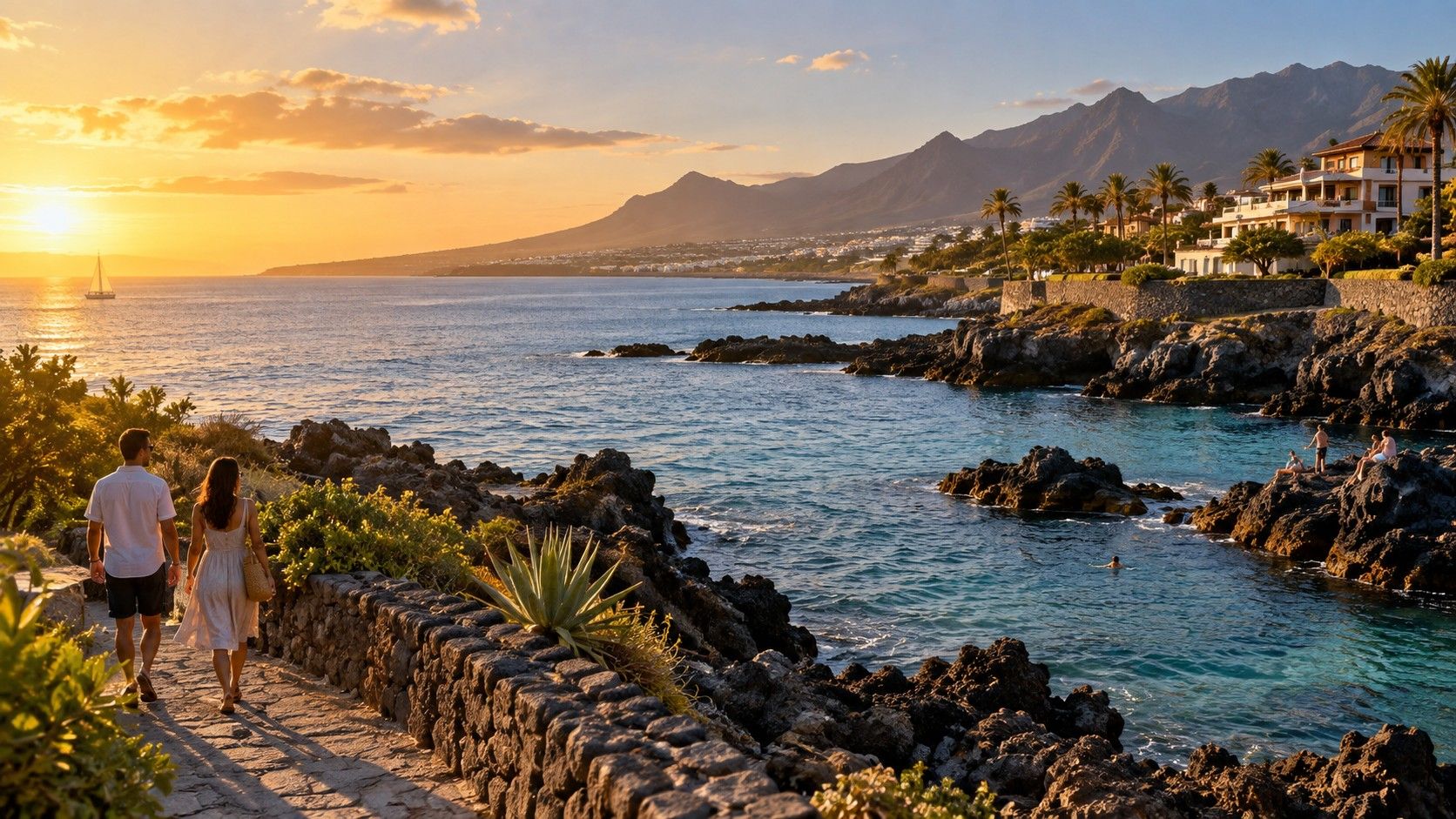
The Atlantic coast is not a single thing on Tenerife. The southern beaches around Costa Adeje and nearby resorts are practical, warm in mood and easy to fold into a low-stress day. The north coast can feel rougher, with black sand, stronger surf and a less packaged atmosphere. The west has cliffs, boat departures and sunset light that can make people forgive quite a lot of parking inconvenience.
Swimming should be decided by conditions, not by a saved photo. A beach that looked gentle in the morning can feel messy later if wind rises. Black sand can be hotter underfoot than expected. Natural pools are charming when the sea is calm and very clearly off the menu when waves are pushing in. I would rather have one good swim and a long lunch than three famous beach names visited with damp towels in the boot.
Los Gigantes is a strong coastal choice if you want scale without committing to a major hike. The cliffs make the west coast feel distinct from the resort south, and a boat trip can make sense for travellers who prefer being on the water to another mountain road. Still, check your own tolerance: boats, sun and swell do not suit everyone. For some trips, a coastal walk and a drink facing the water is the better version.
Let villages and old towns do some of the work
Not every Tenerife must do has to be a landscape with a dramatic name. La Laguna, La Orotava, Garachico and smaller stops such as Vilaflor can save a trip from becoming a sequence of views. Towns give you shade, lunch, texture and the useful feeling of being somewhere people live rather than somewhere designed around your itinerary.
La Laguna is the easiest old-town choice if you are heading toward Anaga or staying in the north. Its streets are walkable, the architecture has detail without needing a lecture, and the cooler air can be a relief. La Orotava pairs well with a Teide route from the north, though I would avoid squeezing it in when everyone is already tired from the mountain. Garachico works as a north-coast pause with sea pools, low streets and the Atlantic close enough to remind you that swimming is never entirely under your control.
These places also help with mixed groups. One person wants views, another wants coffee, someone else needs a toilet and a bench. A town handles that better than another windy mirador. This is the kind of practical truth that glossy lists tend to ignore, but it often decides whether the day feels successful.
Decide between boat and road by comfort, not pressure
Many visitors feel they ought to add a boat trip, and it can be a good choice, especially from the west or south. It gives a different angle on the cliffs and the Atlantic, and it can be easier than driving another winding route. But it is not automatically better than a road day. If anyone in your group gets seasick, dislikes fixed schedules or burns easily, the relaxed idea can become a small endurance test.
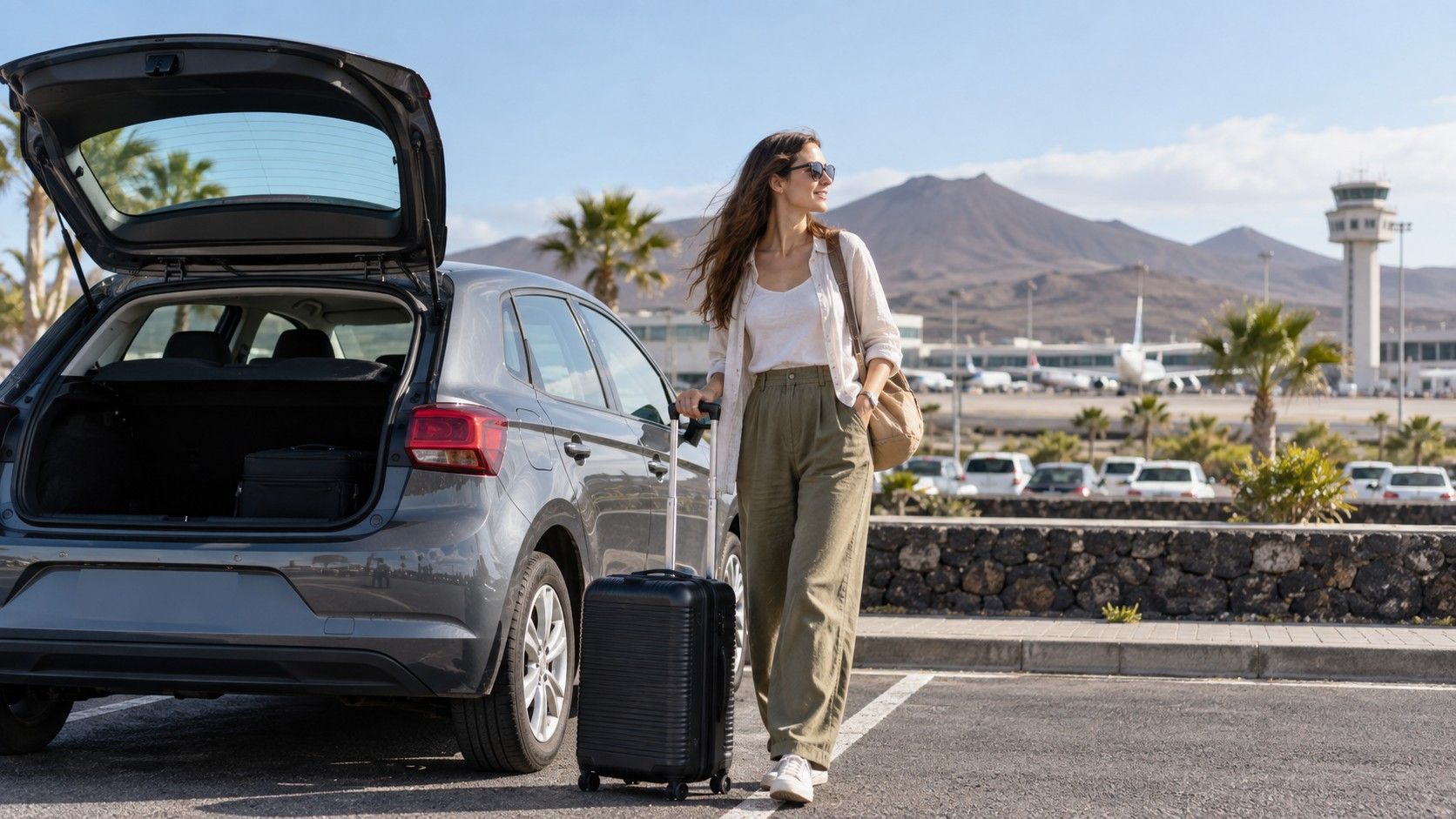
A hire car gives control: you can stop in Vilaflor, skip a crowded viewpoint, change plans if cloud sits over Anaga or head back early if a child has had enough. The trade-off is responsibility. You need documents, a payment card, parking patience and enough confidence for unfamiliar roads. If you are already asking what do I need to hire a car in Tenerife, answer that before building an itinerary around remote stops.
Taxis and buses can cover simple resort-to-town movements, but they are less helpful for scattered viewpoints and flexible mountain days. I would choose a boat when the sea itself is the point, a car when the route is the point, and a taxi when the day is about arrival, dinner or getting back without turning logistics into a second job.
Leave one unscheduled block or the island will choose it for you
The most underrated Tenerife must do is empty space in the plan. Weather changes, roads take longer, someone sleeps badly, a beach works better than expected, or a small town delays you with a lunch that feels too pleasant to rush. If every day is assigned before you arrive, the first disruption turns into a negotiation.
I would keep at least one half-day loose on a week-long trip. Use it for the beach you postponed, a second attempt at Teide if the cloud was awkward, a short hike in Anaga, or nothing more ambitious than walking the coast near your base. That last option sounds unproductive until you have spent several days loading bags, checking maps and looking for parking.
The island has enough strong experiences that you do not need to force all of them into one visit. Choose a volcanic day, a green day, a coastal day, one town stop and one open block. That combination gives the trip shape without turning it into homework, and it leaves you with a better reason to return than a list of places you technically saw while thinking about the next one.