A Tenerife top 10 can turn into a trap if every famous stop becomes a separate mission. The island is small on a map, then the road climbs, the cloud drops, parking gets fussy and a relaxed day starts to feel like work. I use a top ten tenerife list as a way to pair places by mood and route, not as a scoreboard to finish.
Use the list as pairs, not as a race
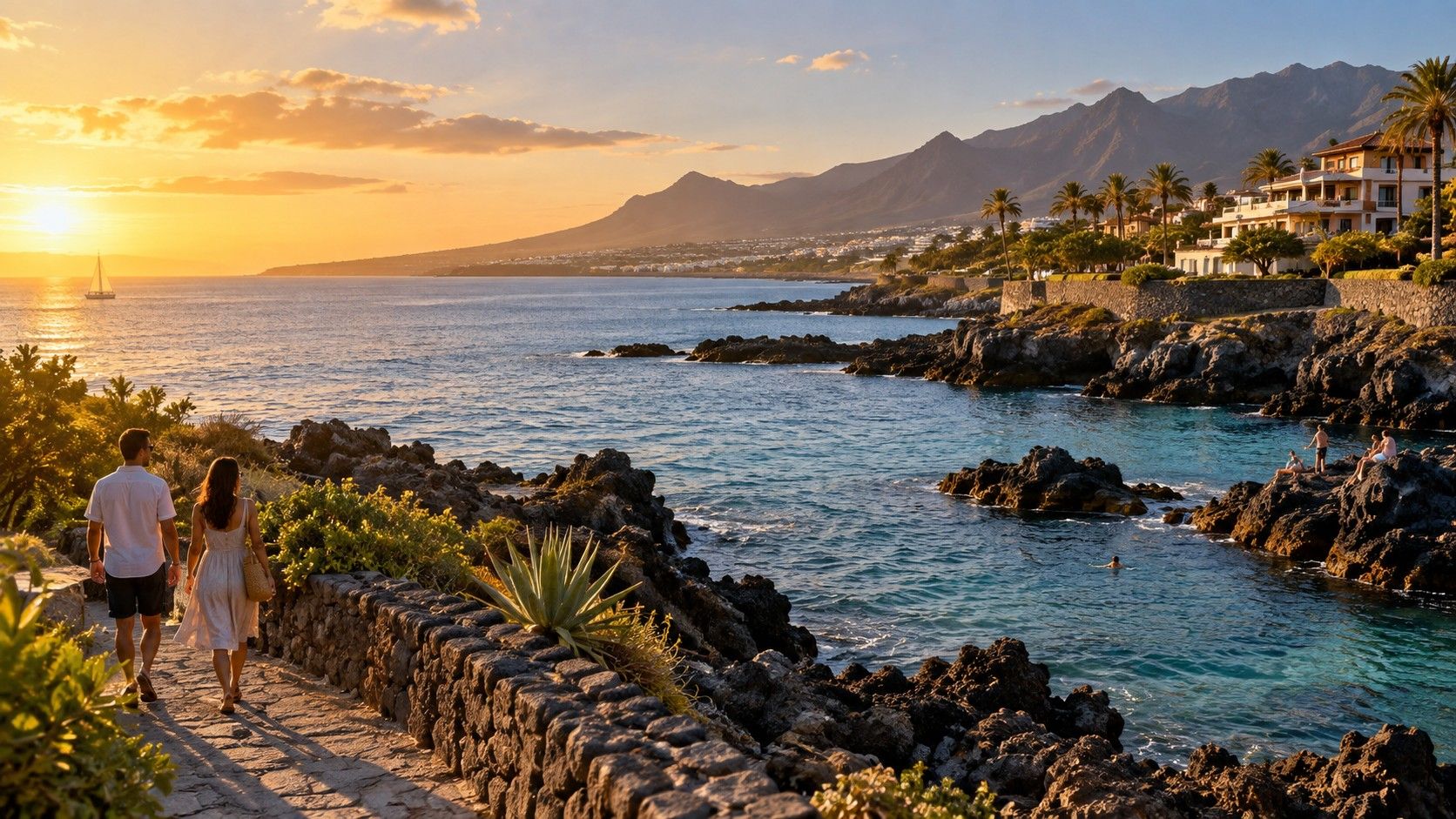
The first useful rule is to stop treating the ten places as ten separate days. Teide and La Orotava can share a day if you start early and accept that the town gets a shorter, sharper visit. La Laguna and Anaga work together because the road east from the old streets into the green ridges feels like a natural change of scene. Los Gigantes and a west-coast swim can sit together, while Costa Adeje or Playa de las Americas can stay as the low-effort evening base after the cliffs.
I would not try to put Teide, Anaga and Los Gigantes into one heroic loop. It looks possible until the bends, photo stops and lunch indecision begin to eat the day. Tenerife rewards people who leave gaps: a coffee in Vilaflor before the altitude, twenty minutes at a mirador when the cloud opens, or a slow walk through La Laguna without checking a watch every five minutes.
| Stop | Best paired with | Watch for |
|---|---|---|
| Teide National Park | Vilaflor or La Orotava | Altitude, sun, changing cloud |
| La Laguna | Anaga | Cooler weather and parking |
| Los Gigantes | Masca road or west coast | Slow roads and afternoon glare |
| Garachico | Icod or north coast | Waves in natural pools |
Teide is the stop that changes the scale of the trip
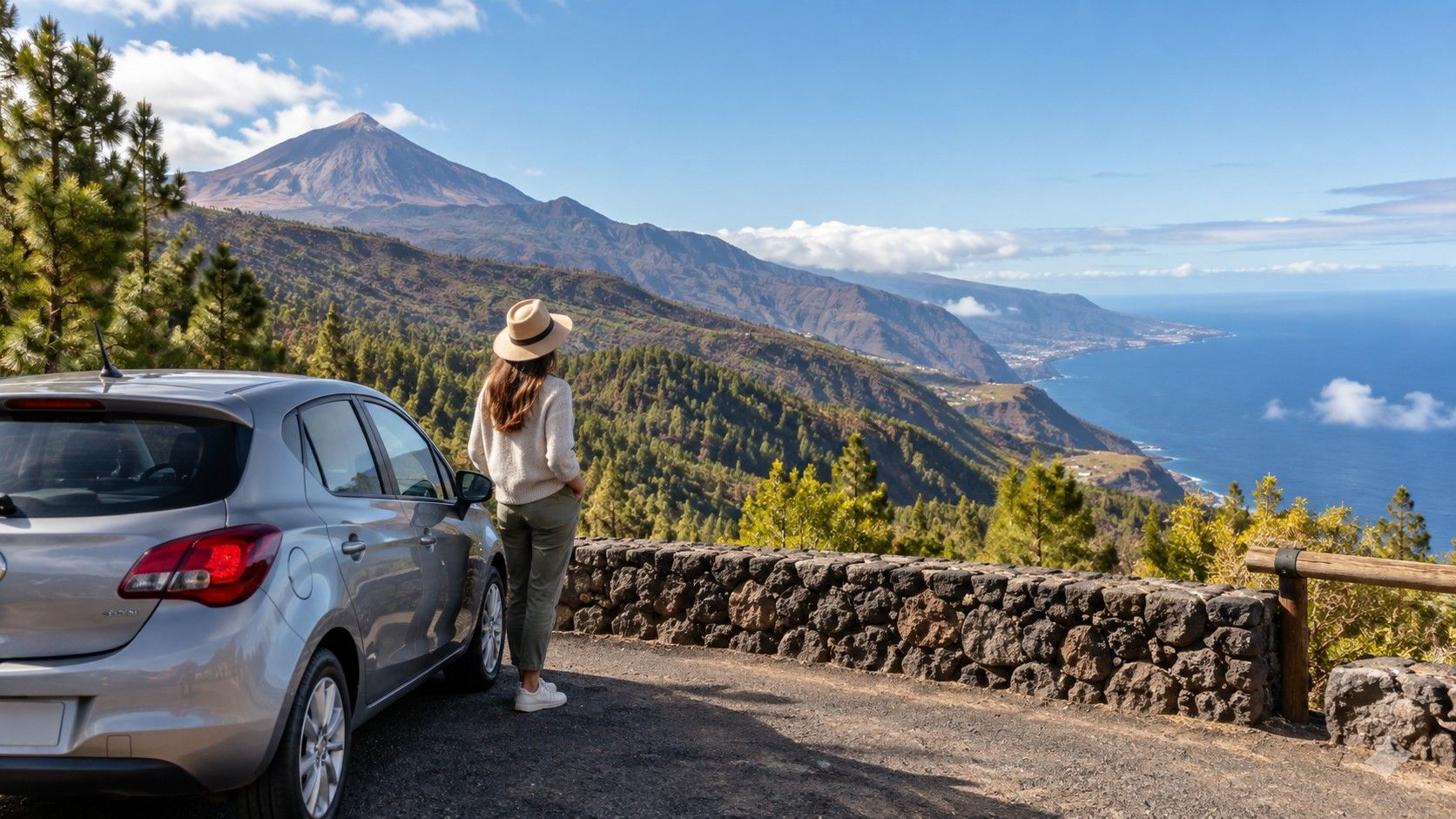
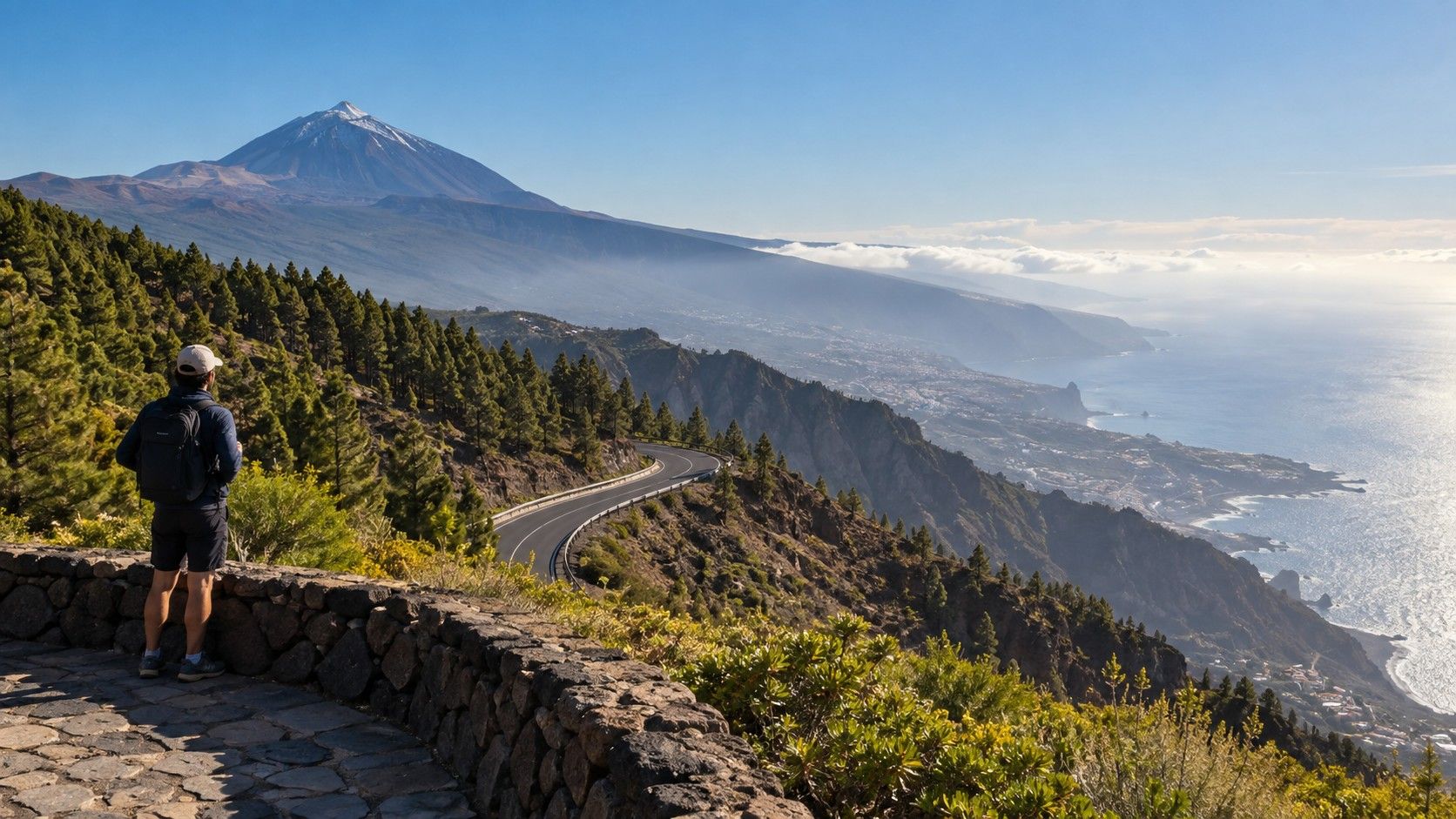
Teide National Park earns its place because it makes the island feel less like a beach destination and more like a piece of rough geology with resorts attached to the edges. The drive up from the south moves through dry slopes, pine forest and then open volcanic ground where the light can be harsh enough to make sunglasses feel less optional than expected. From the north, the approach has a different mood, often with cloud sitting lower and the road feeling cooler.
The mistake is to rush Teide as a photo errand. Even without a long hike or cable car plan, the park needs unhurried stops: Roques de Garcia for scale, a quieter pull-off for the lava fields, and a check on wind before stepping out in a thin shirt. I have seen people arrive dressed for a resort promenade and last about eight minutes in the cooler air. Teide works best when you treat it as a half-day anchor, then add only one softer stop after it.
La Laguna and Anaga give the island its old streets and green edges
La Laguna is the town I would keep even on a short trip, because it changes the rhythm. The old centre is flat enough for wandering, with wooden balconies, courtyards glimpsed through doorways and cafes that feel more local than resort-facing. It is also practical: if the mountain weather looks confused, La Laguna can take the place of a viewpoint day without feeling like a consolation prize.
Anaga is close on the map and slower on the road. That is exactly why it belongs in the Tenerife top 10, but it needs respect. The ridges, laurel forest and small villages around Taganana or Benijo do not suit a tired late-afternoon dash from the south. Fog can make the road feel narrow, and the best moments are often small: a sudden view between trees, a damp path under the canopy, or the silence after the busier resort coast. Pair La Laguna with a modest Anaga route, not a full conquest of the peninsula.
Los Gigantes, Masca and the west coast need patience
Los Gigantes is famous for the cliffs, yet the practical question is how much of the west you want in one day. Seeing the cliffs from the marina area is easy enough. Adding Masca turns the day into something more dramatic and also more tiring, because the road is tight, scenic and not a place to hurry. Drivers who dislike bends should not discover that dislike halfway down.
The west coast is also where timing matters. Morning light can be kinder for driving and parking, while later in the day the cliffs can look heavy and impressive from the water or the shore. If you are based in Costa Adeje, this is one of the easier big sights to reach without crossing the whole island. If you are staying in the north, I would think twice before linking it with too many extra stops. A top ten list should reduce bad decisions, not encourage them.
Garachico, Icod and the north coast are worth the detour
Garachico is the kind of place that does not need to shout. The town has low buildings, a compact centre and sea pools that look tempting until the Atlantic reminds everyone who is in charge. On calm days the natural pools can be the highlight; on rough days they are better treated as a view and a lesson in why local warning signs exist. That caveat makes the stop more useful, not less.
Icod de los Vinos is often mentioned for the dragon tree, and the tree is fine, but I would not build a whole day around one botanical celebrity. It works better as a north-coast pause with Garachico or La Orotava, giving the day texture: a town, a viewpoint, a coffee, a stretch of sea. The north has less of the polished resort feel, and that can be refreshing if you have spent several days between hotel pools and beachfront menus.
Beach stops should be chosen by sea conditions, not reputation
A Tenerife what to do and see list usually includes beaches, but the word beach hides several different experiences. Playa del Duque is controlled, tidy and easy. Playa Jardin has black sand, a stronger north-coast mood and sea that can look more serious. El Medano has wind and space, which is excellent if you like a breezier scene and less perfect if you imagined a still postcard afternoon.
I would choose beaches by the day rather than by fame. If the wind is up, a pretty beach can become a sandblasting session. If waves are heavy in the north, swimming may be a poor idea even when the beach itself looks inviting. The useful version of a Tenerife top 10 includes at least one beach, but it also gives you permission to change beach plans without feeling you failed the itinerary.
Keep one slot for a small stop that fits your route
The tenth place does not need to be the biggest name. It might be Vilaflor on the way to Teide, a viewpoint above the Orotava Valley, the market streets of Santa Cruz, or a short coastal walk near your base. These smaller stops often make a day feel human because they break up the driving and create a memory that is not shared with every coach group on the island.
My own test is simple: if a stop adds less than thirty minutes of awkward detour and gives you food, a view, shade or a reset, it belongs. If it makes the day longer only because a list told you it was important, leave it. Tenerife is better when the famous places have space around them. The top ten should help you build days that make sense on the road: Teide with a mountain village, La Laguna with Anaga, Los Gigantes with a west-coast swim, Garachico with the north, and one unplanned pause when the island quietly improves the schedule.