Tenerife weather in July and August is easy to underestimate because the forecast often looks boring: sun, warm air, little rain. The island itself is less simple. I have left a still, hot promenade in Costa Adeje and, less than an hour later, stood near Teide pulling on a layer while cloud dragged across the road. Summer here is reliable, but reliable does not mean identical everywhere.
What July and August feel like on the coast
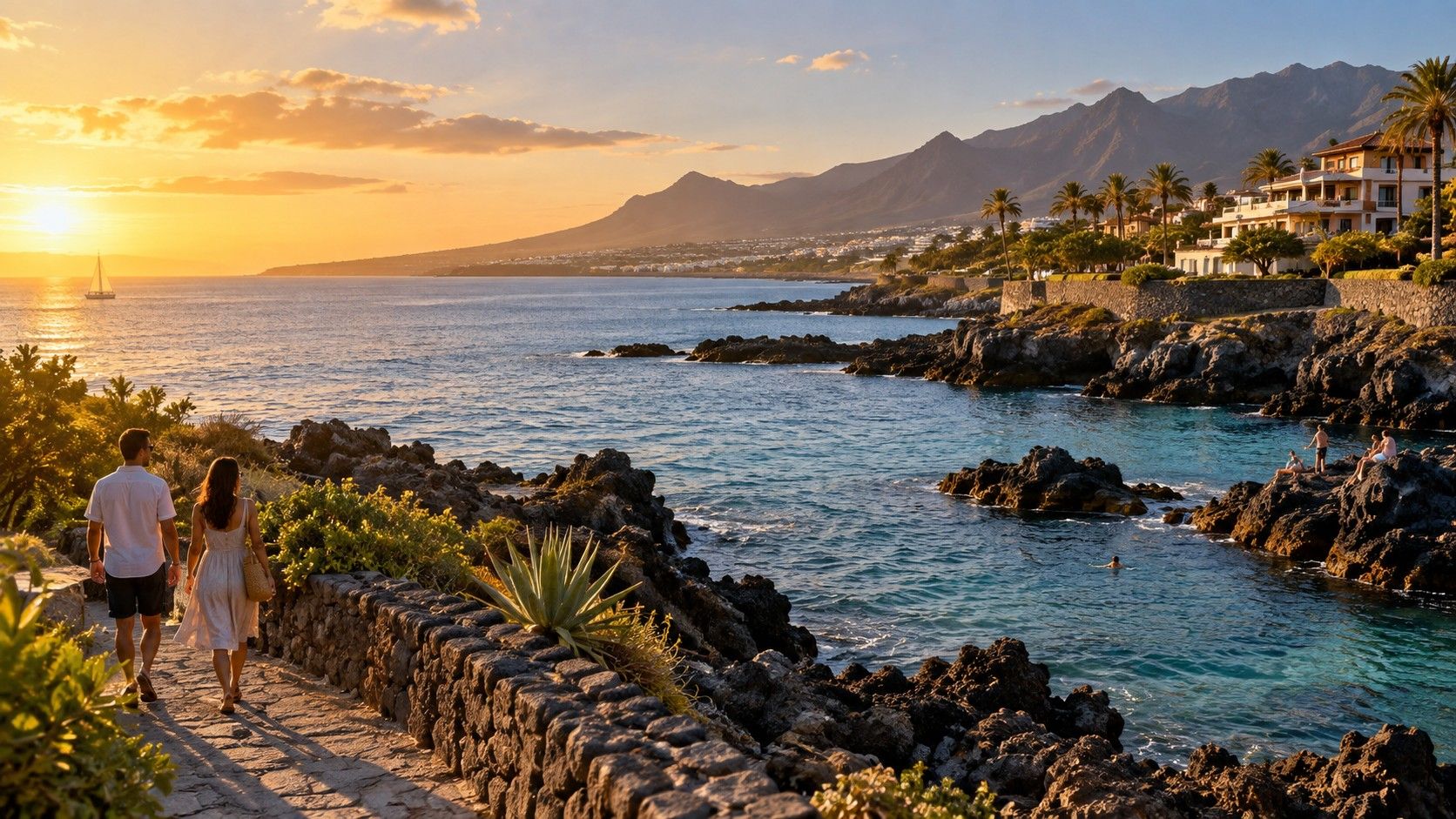
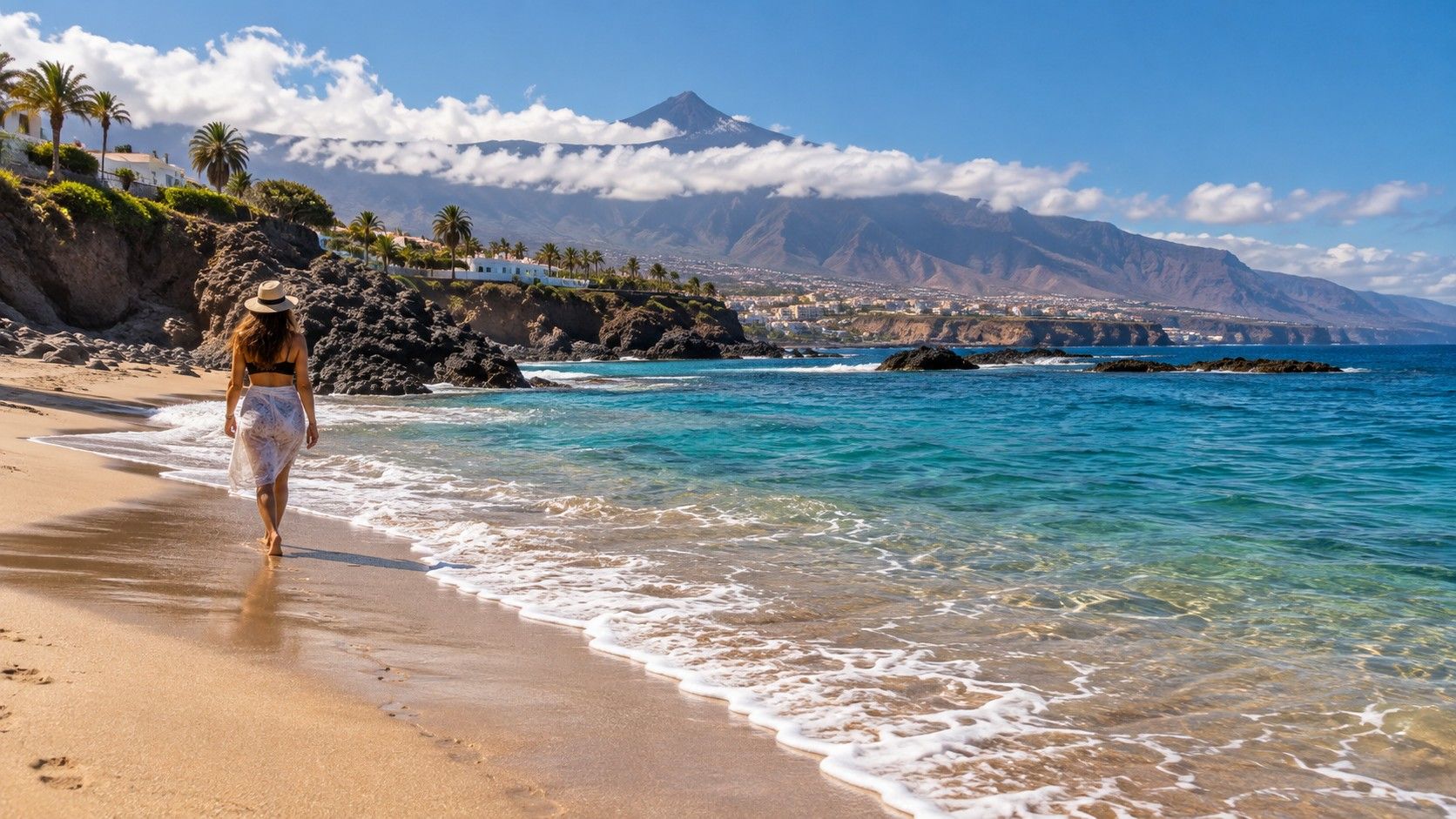
On the coast, July and August usually feel dry, bright and stubbornly summery. In the southern resorts around Costa Adeje, Los Cristianos and Playa de las Americas, the day often starts already warm, with pavements, car doors and beach railings heating up quickly. The sea breeze does useful work, but it does not turn midday into a gentle spring afternoon. I would plan the beach for the morning or later afternoon if I cared about comfort rather than proving a point to the sun.
The practical irritation is not dramatic heat. It is the slow accumulation of glare, salt, sunscreen and warm concrete. A short walk to lunch can feel longer than it looks on a map, especially along exposed seafront paths. Shade matters more than distance. A hotel five minutes farther from the beach but with an easy shaded route can feel kinder than a closer place reached by a treeless road.
Why north and south can feel different in the same week
The south has the reputation for dependable sun, and for a normal holiday that reputation is fair. The north coast, including Puerto de la Cruz and the Orotava side, often has more cloud moving through because the trade winds push moisture against the island. This does not make the north cold in summer. It can still feel warm and pleasant, but the sky may be softer, the air a little damper and the sea moodier than in the south.
That difference is useful if you choose it knowingly. I like the north on a summer day when the south feels too sharp around the edges. A cloudy morning in Puerto de la Cruz can be a gift for walking streets, sitting outside with coffee or visiting La Orotava without squinting at every white wall. The trap is booking the north while expecting south-coast pool weather every hour. You may get sun, but you should not build the trip on that promise.
How July compares with August
July often feels slightly cleaner and more settled to me: long bright days, warm evenings and a sense that the island has slipped fully into summer without being at its most heavy. August can feel thicker, especially in resort streets where crowds, parked cars and restaurant terraces hold heat into the evening. The difference is not a neat weather switch; it is more about how the same warmth behaves once the island is busier and nights release heat more slowly.
| Area | July and August feeling | Planning note |
|---|---|---|
| South coast | Dry, bright, warm, often beach-friendly | Protect midday from becoming the whole plan |
| North coast | Warm with more cloud and greener surroundings | Good for towns and slower days, less guaranteed for pool worship |
| Teide and high roads | Sharper sun, cooler air, sudden wind or cloud | Carry a layer even when the hotel balcony feels hot |
If you are choosing between the two months, I would not obsess over a small statistical difference. Think instead about school holidays, your tolerance for busy resorts and whether warm evenings are a pleasure or a nuisance. Both months are proper summer. August simply asks for a bit more patience in car parks, restaurants and popular viewpoints.
Planning beach and walking days without fighting the weather
For beach days, I would watch the wind as much as the temperature. A bright afternoon can become annoying on exposed beaches if towels, hats and sand start moving around. Sheltered coves and resort beaches are easier for families and anyone who wants a low-effort day. Wider beaches can be better when the air is calm, but less pleasant when the wind picks up and the sand starts finding pockets I did not know I had.
For walking, summer rewards early starts. That sounds obvious until you see people beginning a dry coastal path late in the morning with one small bottle between them. Even modest routes feel different when the ground reflects heat and the nearest cafe is farther than expected. If a walk has no shade, no refill point and a climb on the return, I would treat it as a morning job, not an after-lunch idea.
Cloud in the north can make walking more comfortable, but it also tricks visitors into forgetting water and sun protection. Thin cloud still lets the sun work quietly. I have had the oddest sunburns on days that never looked heroic in photos. For Tenerife meteo checks, I would compare the resort forecast with the specific town or altitude you plan to visit, then assume the island may still add its own small argument.
What to pack for Teide and higher ground
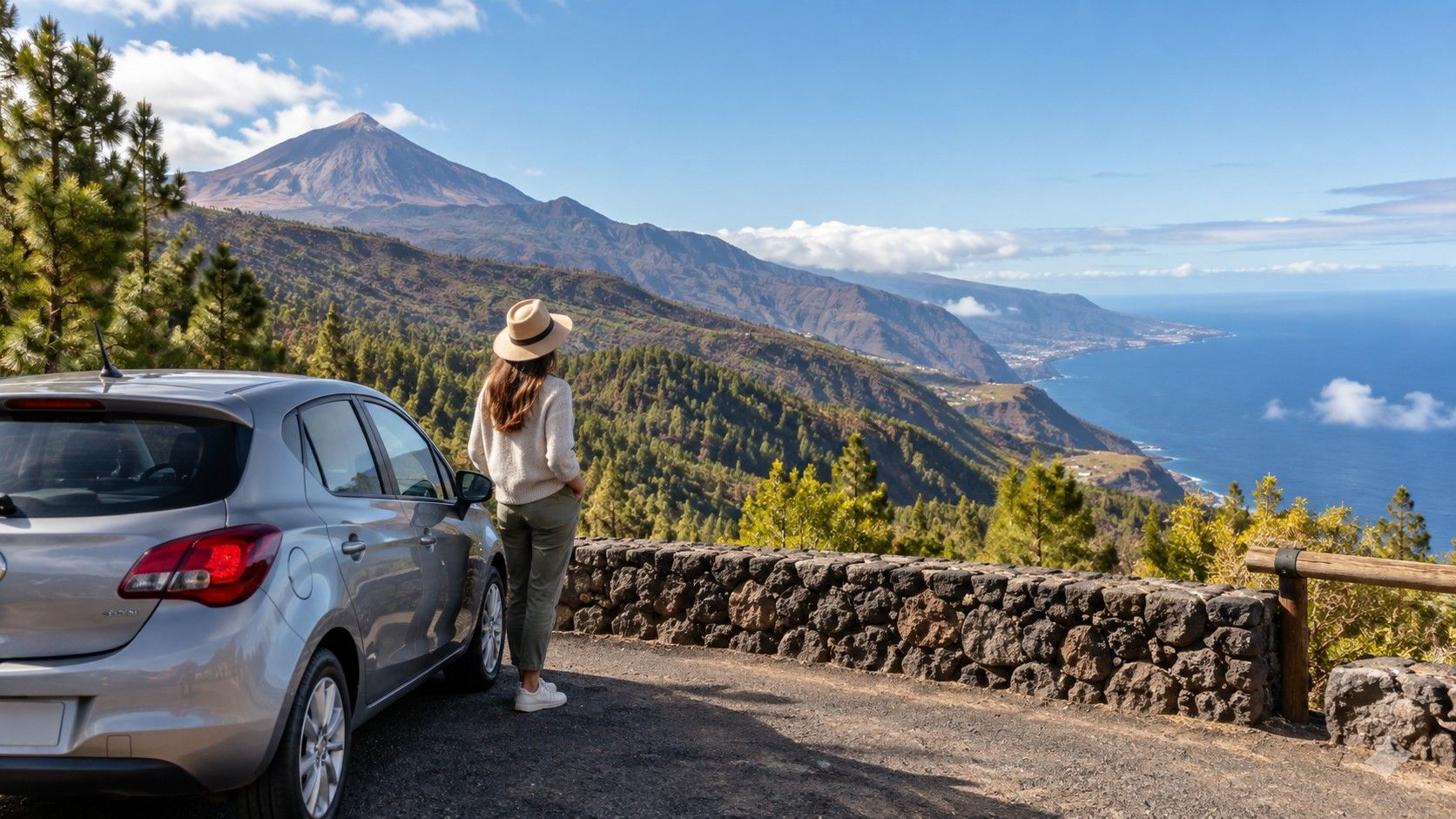
Teide is where the lazy summer forecast loses authority. The drive upward changes the day: pine forest, exposed bends, cooler air, harsher light and a sense that the coast has been left in another version of the island. In July and August, the sun at altitude can feel more direct while the air feels cooler. That combination catches people who dress for the beach and then spend a viewpoint stop shivering in the wind.
I would pack a light layer, sunglasses that actually work, a hat that will not fly away and shoes with soles you trust on gravel. This is not mountain expedition advice. It is basic dignity advice for car parks, short walks and viewpoints around Las Canadas. Flip-flops may survive the photo stop, but they are miserable on rough volcanic ground once the novelty fades.
The other Teide detail is timing. Going up very late after a beach day sounds efficient, but tired drivers, winding roads and changing light are a poor mix. If Teide is important to the trip, give it its own morning or a deliberate sunset plan with warm clothing and a calm return route. The weather may be stable, yet the altitude still changes the rules.
Choosing a base for summer weather
If your main aim is beach time with the least weather anxiety, the south coast is the easy answer. Costa Adeje, Los Cristianos and nearby resort areas suit travelers who want warm evenings, simple restaurant logistics and a high chance of sun. The downside is that the landscape can feel built around holiday routines, and in August those routines are shared by a lot of people.
If you want greener streets, more shade in daily life and less of a resort bubble, the north deserves attention. Puerto de la Cruz can feel more human in summer because the weather is warm without always being fierce. The price of that comfort is accepting cloud as part of the deal. I would not sell the north to someone who measures a holiday by hours of direct sun beside a pool.
The best summer plans use the island instead of arguing with it. Stay where your daily rhythm will be easiest, then move around for contrast: south-coast beach time, a north-coast town day, a Teide morning, maybe an inland meal when the shore feels too busy. Tenerife weather in July and August is friendly enough for loose plans, but the good trips still respect the difference between sea level, cloud line and high ground.